12 hr
Fairbanks Aurora Hunt with Professional Photos
- Expert local guide
- Small group
- Skip-the-line access
- Free cancellation
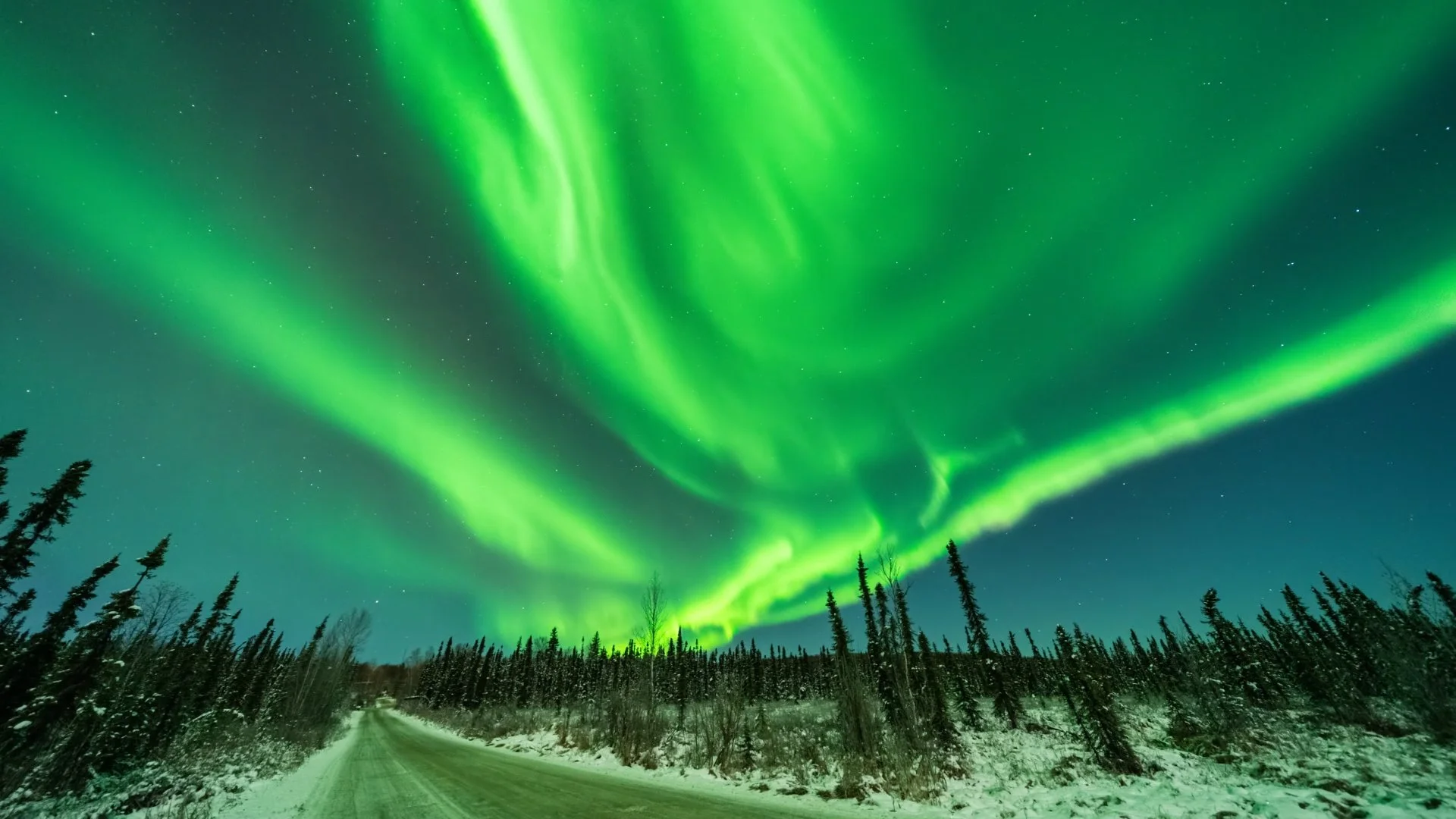
Chase the aurora across the Dalton Highway, where midnight turns green above the 66th parallel
Compare fares, pick the fit — all bookings are mobile-voucher and eligible for free cancellation where shown.
12 hr
14 hr
10 hr
| Experience | Duration | Rating | Pickup | Skip-the-line | Guide | Small group | Price | |
|---|---|---|---|---|---|---|---|---|
|
Guided Experience
Most popular
Fairbanks Aurora Hunt with Professional Photos
|
12 hr | ★ 4.9 | ✓ | ✓ | ✓ | ✓ | €188 | Book → |
|
Guided Experience
Arctic Circle & Northern Lights Adventure from Fairbanks
|
14 hr | ★ 4.5 | ✓ | ✓ | ✓ | ✓ | €288 | Book → |
|
Guided Experience
Northern Lights & Chena Hot Springs Evening Adventure
|
10 hr | ★ 4.5 | ✓ | ✓ | ✓ | ✓ | €240 | Book → |
Worth it for bucket-list seekers chasing geography
A Fairbanks Arctic Circle northern lights tour commands premium pricing—typically $200–$300 per person for the full-day Dalton Highway expeditions that cross the 66.5°N parallel. You're paying for a 200-mile round trip into remote boreal wilderness, certified Arctic Circle crossing documentation, and aurora viewing from latitudes where geomagnetic activity peaks. The value proposition hinges on exclusivity: standing at the Arctic Circle marker delivers a tangible milestone that standard aurora tours closer to Fairbanks cannot replicate. If your goal is purely aurora photography, shorter excursions to Chena Hot Springs or local viewing sites offer comparable celestial displays at half the cost and quarter the travel time. But for travelers who measure worth in singular geographic achievements—crossing into the Arctic, traversing the haul road that supplies Prudhoe Bay, earning the crossing certificate—the investment pays dividends. The fairbanks arctic circle northern lights tour tours justify their tariff through distance, duration, and the irreplaceable cachet of that latitude line.
Bottom line: Book the Arctic Circle expedition if the geography itself—not just the lights—is non-negotiable; otherwise, closer fairbanks arctic circle northern lights tour tickets deliver auroras without the marathon drive.
They serve different traveler needs; the northern expedition is an adventurous wilderness trek, while the lodge experience offers comfort-focused celestial observation.
|
Top pick Arctic Circle Tour |
Aurora Lodge Experience | |
|---|---|---|
| Travel Distance | Approx. 200 miles one way | 15–45 minutes from Fairbanks |
| Typical Duration | 10–14 hours | 4–7 hours |
| Wilderness Exposure | Extreme remote terrain | Maintained lodge surroundings |
| Physical Demand | High due to long transit | Low for stationary viewing |
| Aurora Visibility Potential | High (higher latitude) | Moderate (local latitude) |
| See tickets & prices |
Verdict: Choosing between these fairbanks arctic circle northern lights tour tours depends on whether you prefer the endurance required for northern latitudes or the accessible convenience of local fairbanks arctic circle northern lights tour tickets, though both provide reliable chances to witness the solar activity near the horizon.
Hand-picked experiences loved by thousands of travelers
14 hours
Free Cancellation
Cross into the Arctic Circle, chase the Aurora Borealis, and explore Alaska's remote wilderness on this 14-hour adventure.
14 hours
Free Cancellation
Drive Alaska's legendary Dalton Highway to the Arctic Circle, then chase the aurora on the return journey.
5 hours
Free Cancellation
Watch the aurora dance across the Arctic sky from a warm, remote lodge with hot drinks and cookies.
5.5 hours
Free Cancellation
Chase the aurora from a heated wilderness cabin with hot drinks and sweeping sky views
5 hours
Free Cancellation
Chase the aurora from a mountaintop vantage point with heated transport and hot beverages included
5 hours
Free Cancellation
Watch the northern lights from a heated 270° glass panorama atop Cleary Summit near Fairbanks
6 hours
Free Cancellation
Chase the Northern Lights by dog sled and warm up with salmon dinner in a wilderness yurt near Fairbanks.
6 hours
Free Cancellation
Chase the northern lights with expert guidance, warm up in a heated shelter, and savor wood-fired pizza
You leave Fairbanks in late afternoon as the sun drops behind the White Mountains, the highway climbing through black spruce forest that thins as elevation rises. Two hours north, the coach pulls into the Arctic Circle monument clearing at milepost 115.
5, where wooden signs mark latitude 66°33′N and you step across the invisible boundary into the Arctic zone. The temperature reads minus fifteen; your guide distributes insulated parkas and directs you toward heated shelters positioned 50 yards from the highway to escape headlight glare.
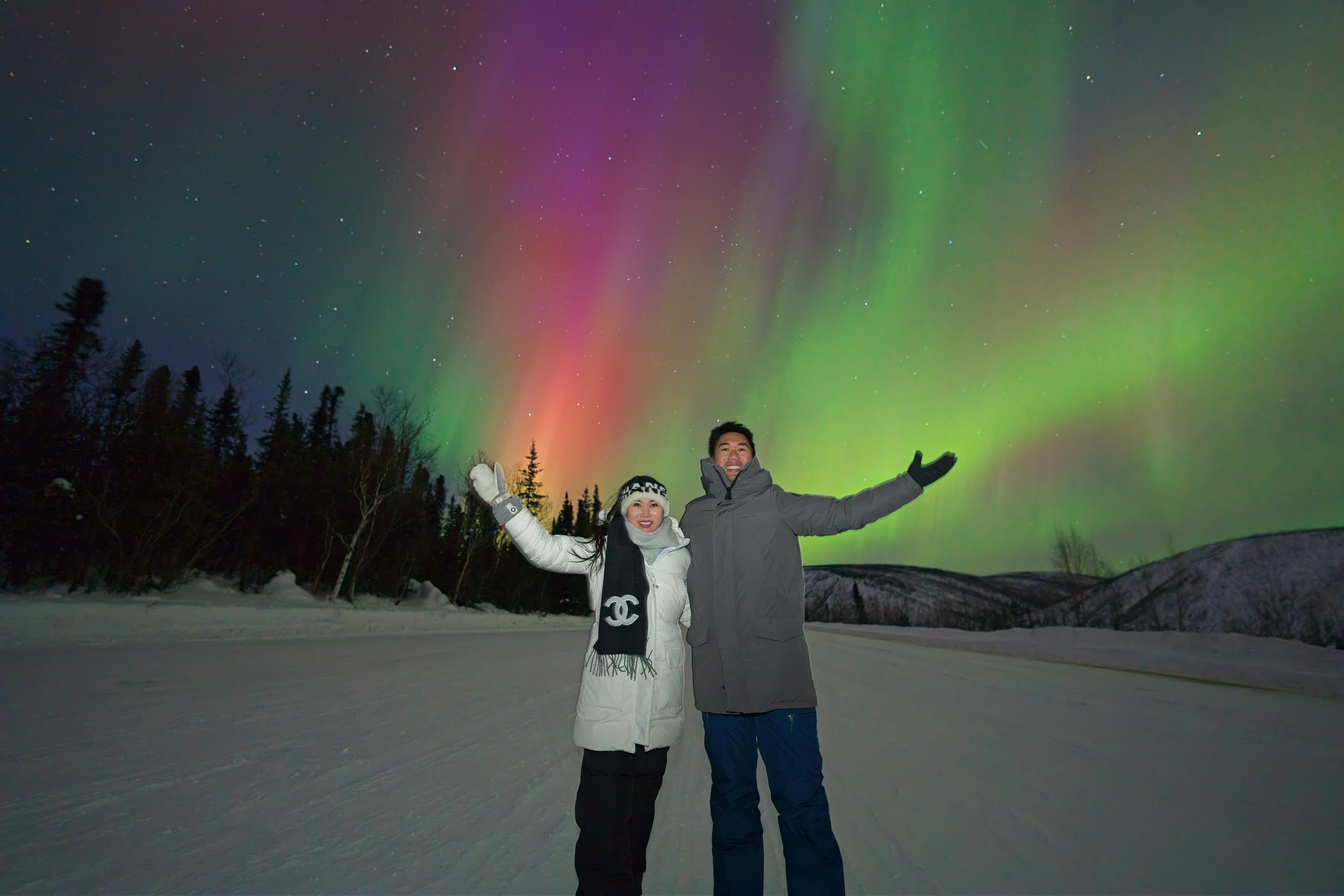
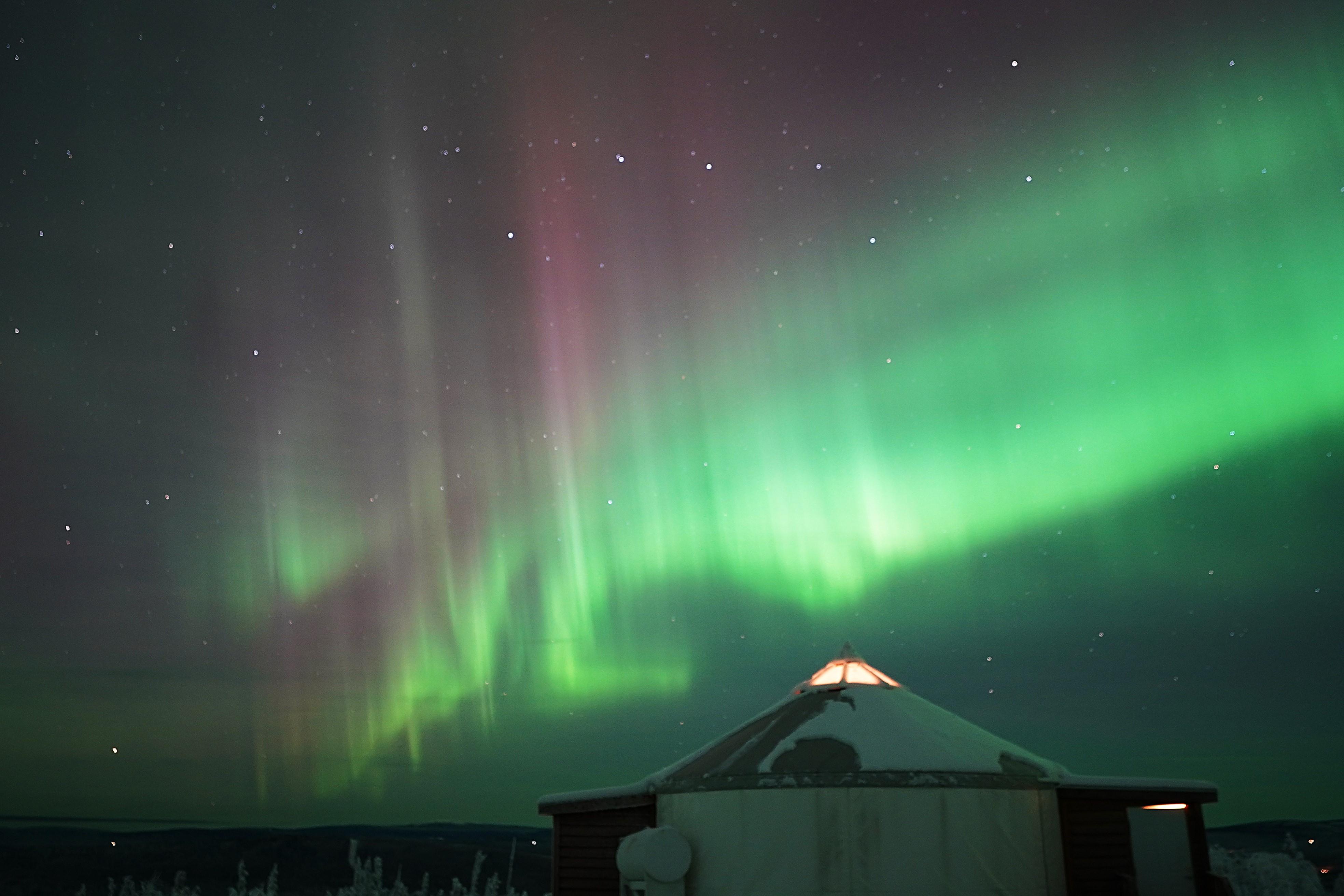
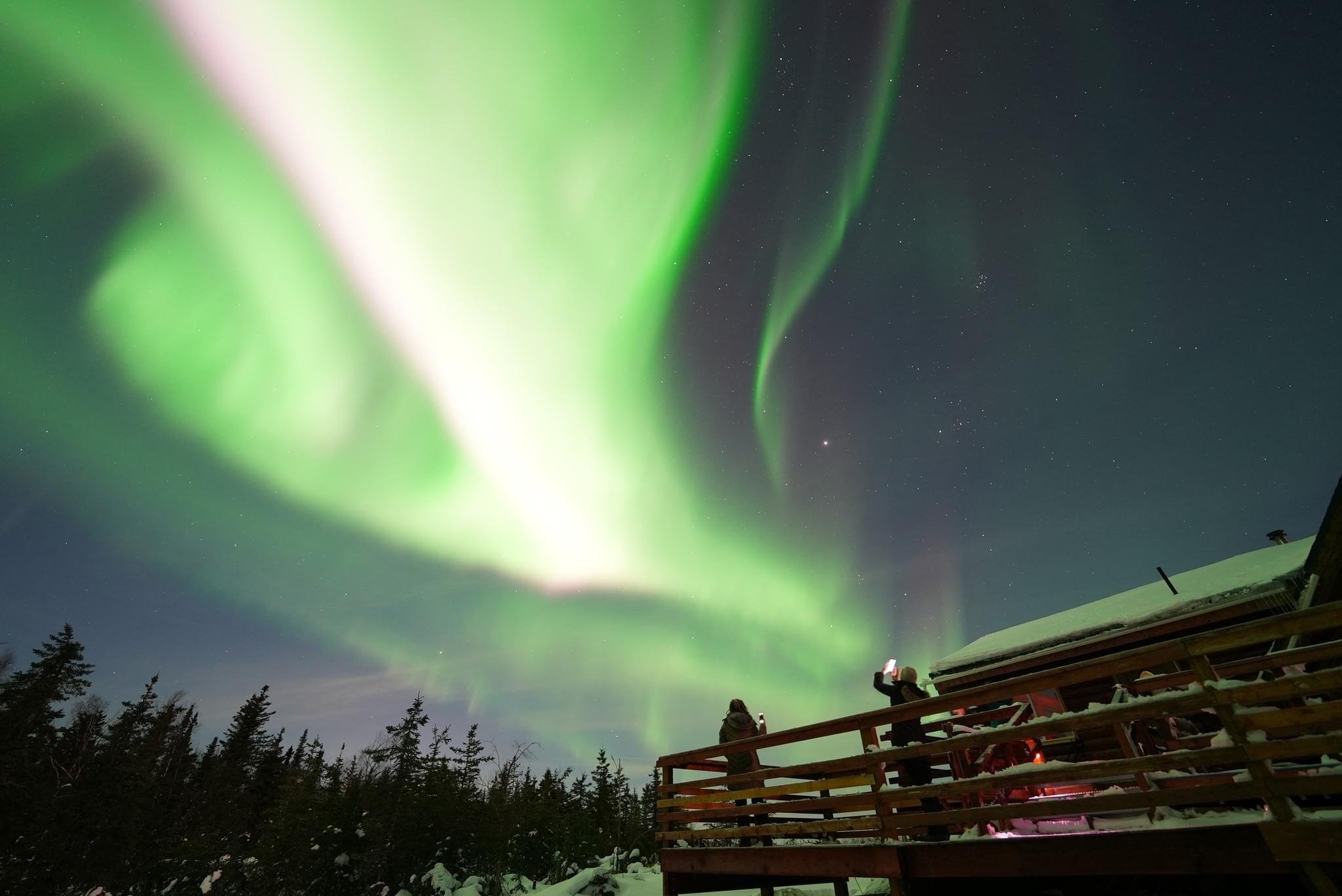
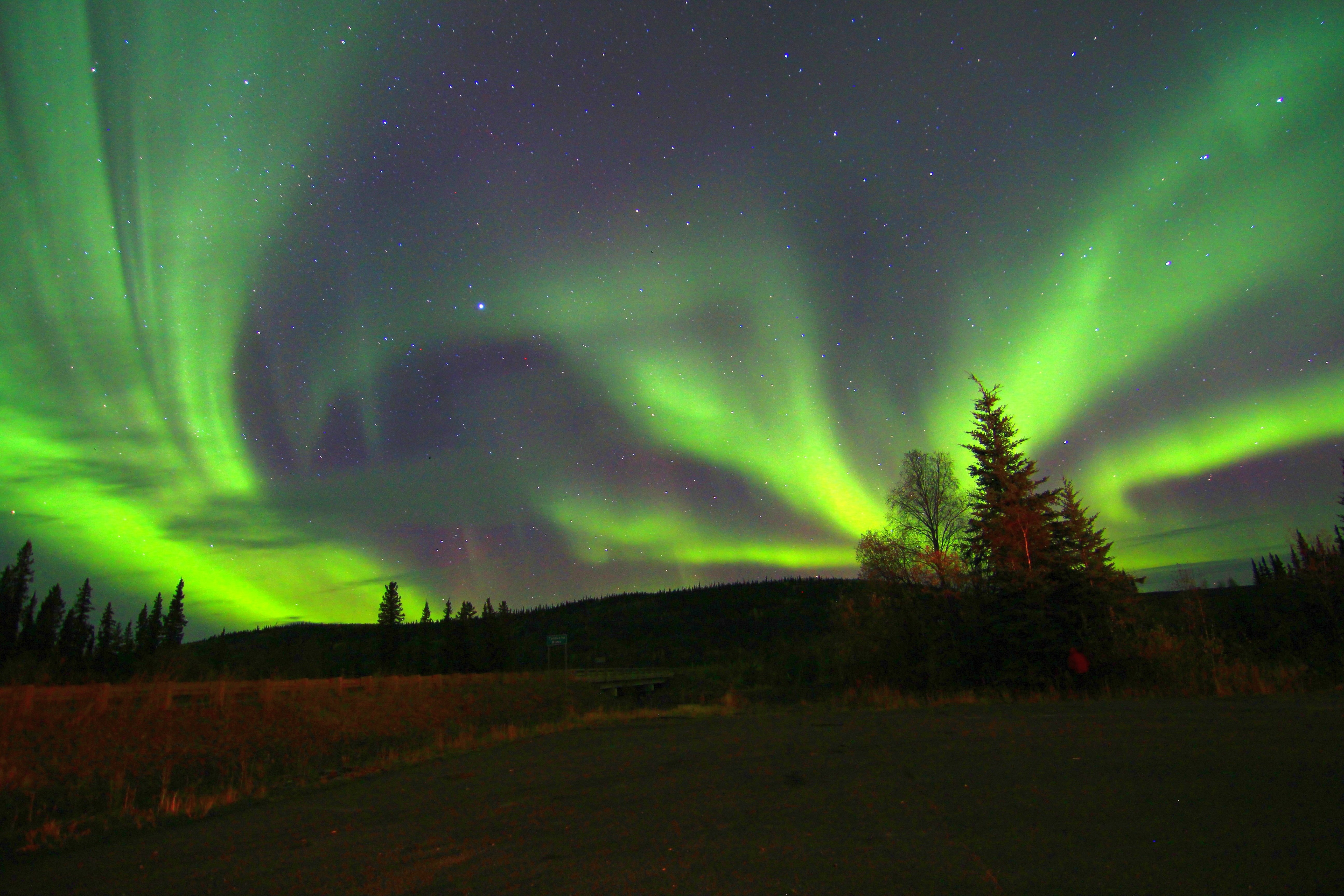
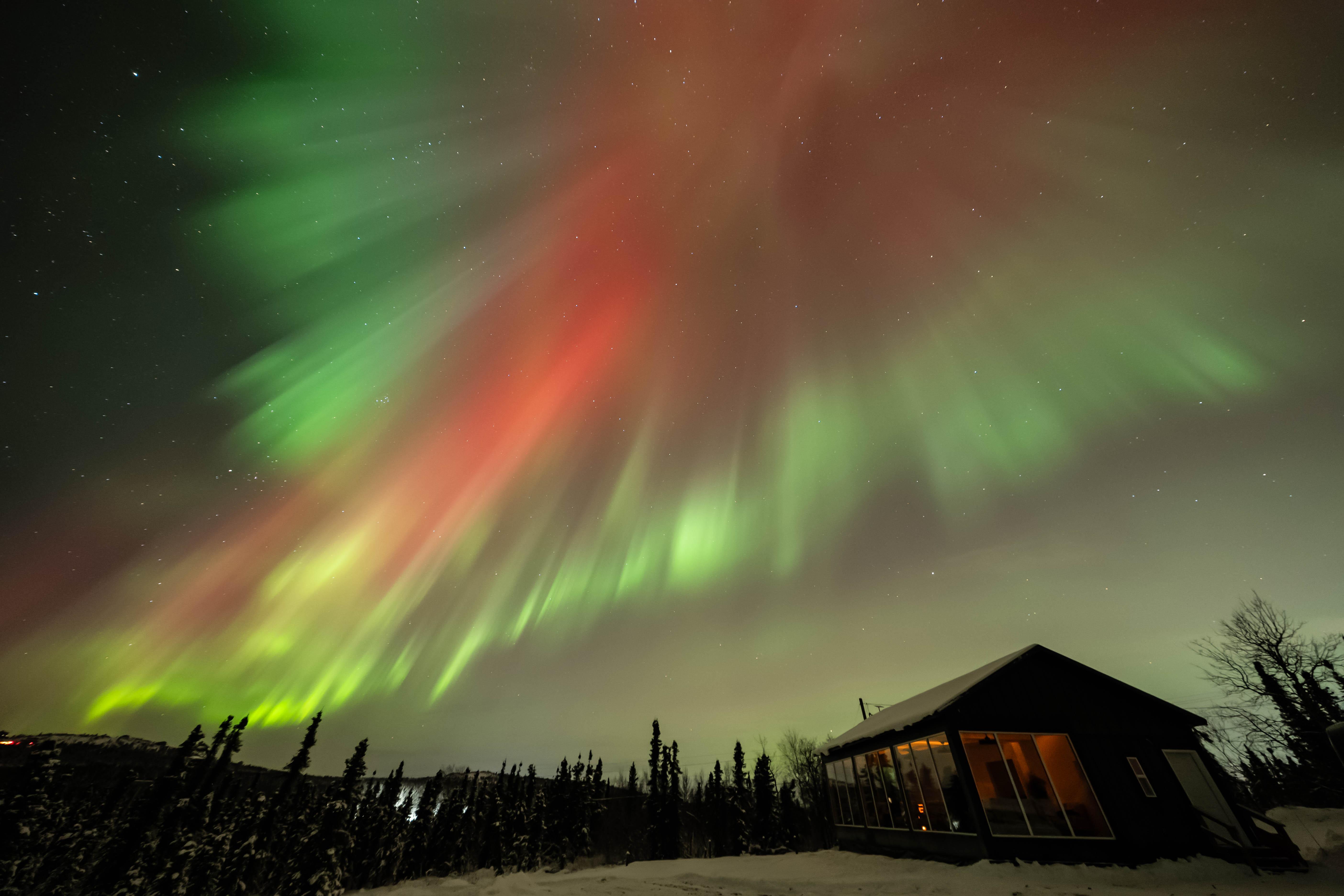
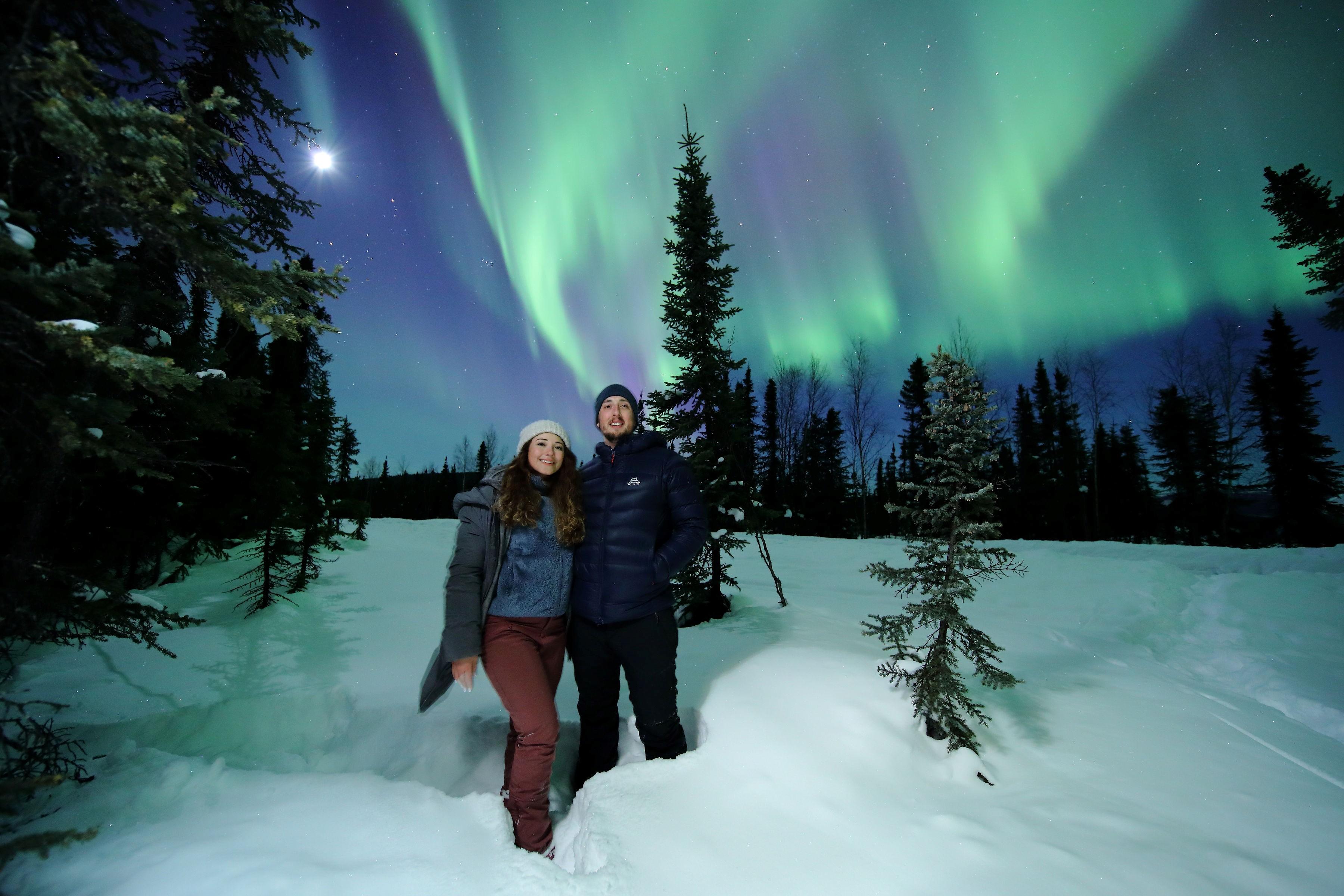
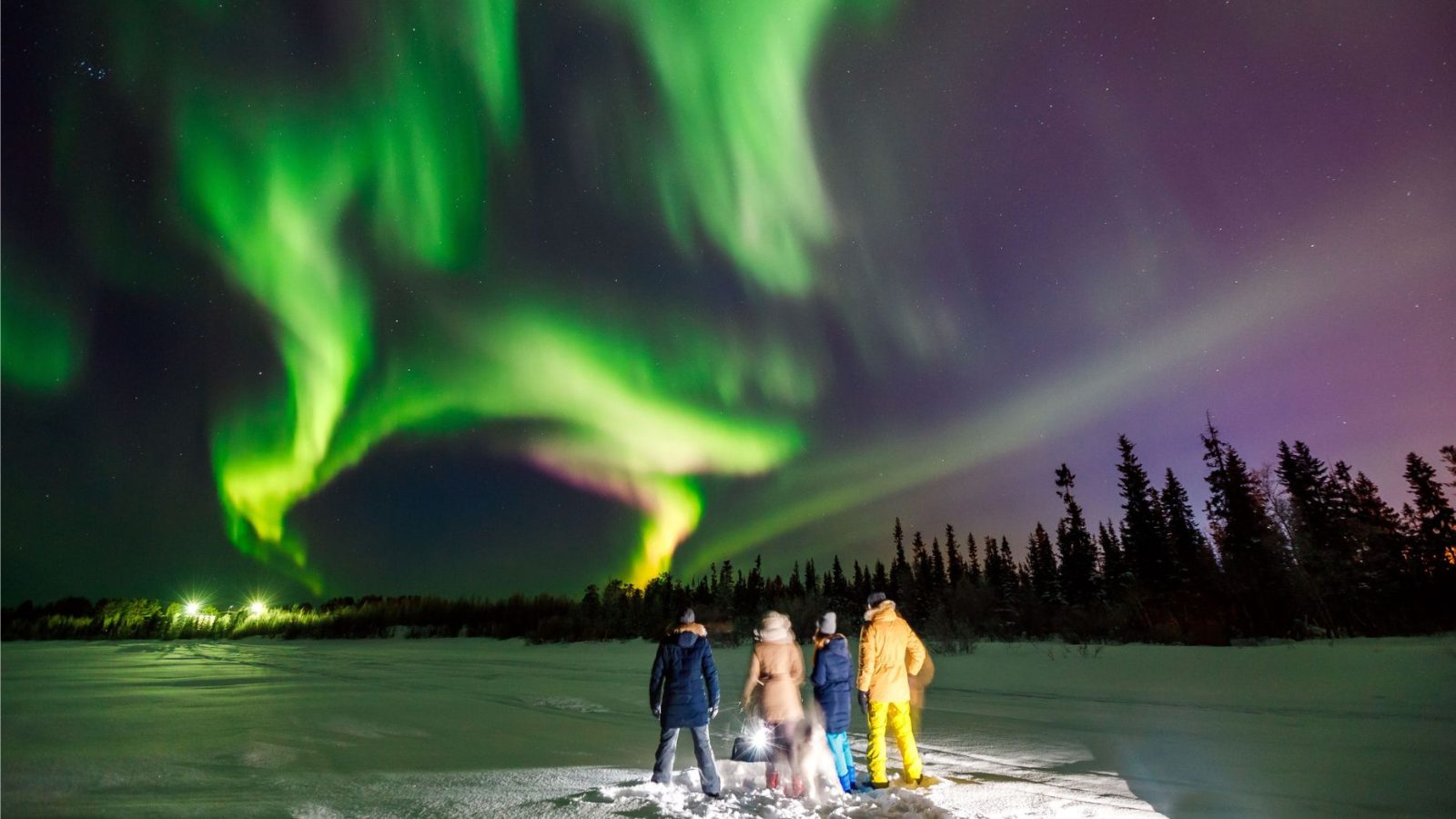
Darkness settles by 7 PM. You scan the northern horizon where a faint green glow materializes, then intensifies into vertical rays that pulse and fold across 40 degrees of sky. Your guide adjusts camera settings on the provided tripod, framing the auroral band above the pipeline corridor. The display shifts—green curtains ripple eastward, a magenta edge flares briefly at the zenith, then the entire structure dissolves into diffuse patches. You pour coffee from a thermos and wait. Twenty minutes later a second wave builds, brighter than the first, and you watch columns of light dance above the Yukon River valley until midnight, when the coach turns south toward Fairbanks and you sleep against the window, the aurora still visible through the glass.
All the details about your upcoming adventure in one place
The Arctic Circle sits 198 miles north of Fairbanks, bisected by the Dalton Highway at milepost 115.5, where a weathered sign marks the mathematical line beyond which the sun neither rises in deep winter nor sets at summer solstice.
First surveyed in 1974 to service the Trans-Alaska Pipeline, the gravel corridor remains Alaska's only year-round route into the Brooks Range, and the corridor's distance from urban light pollution creates one of North America's darkest aurora viewing zones. Geomagnetic latitude places the Arctic Circle directly beneath the auroral oval's southern edge during moderate solar activity, meaning displays overhead rather than confined to the northern horizon.
Fairbanks Arctic Circle Northern Lights tour operators depart in the late afternoon, timing arrival at the Arctic Circle monument for the window between astronomical twilight and midnight when auroral activity peaks. The Dalton Highway's elevation gain—rising from the Tanana Valley floor through White Mountains foothills to the Yukon River crossing at 1,200 feet—keeps tours above the temperature inversion layer that traps ice fog in the Interior during cold snaps. Guides monitor real-time auroral forecasts from the University of Alaska Fairbanks Geophysical Institute, which measures Kp index and cloud cover to predict visibility.
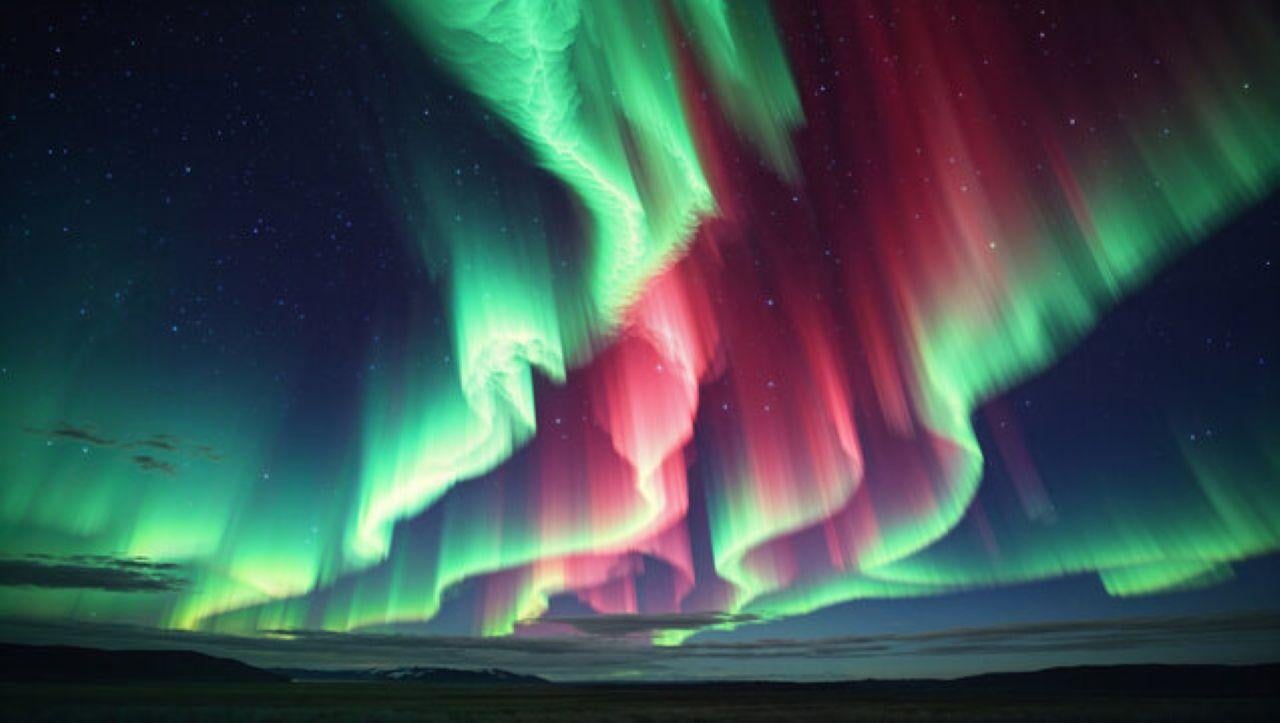
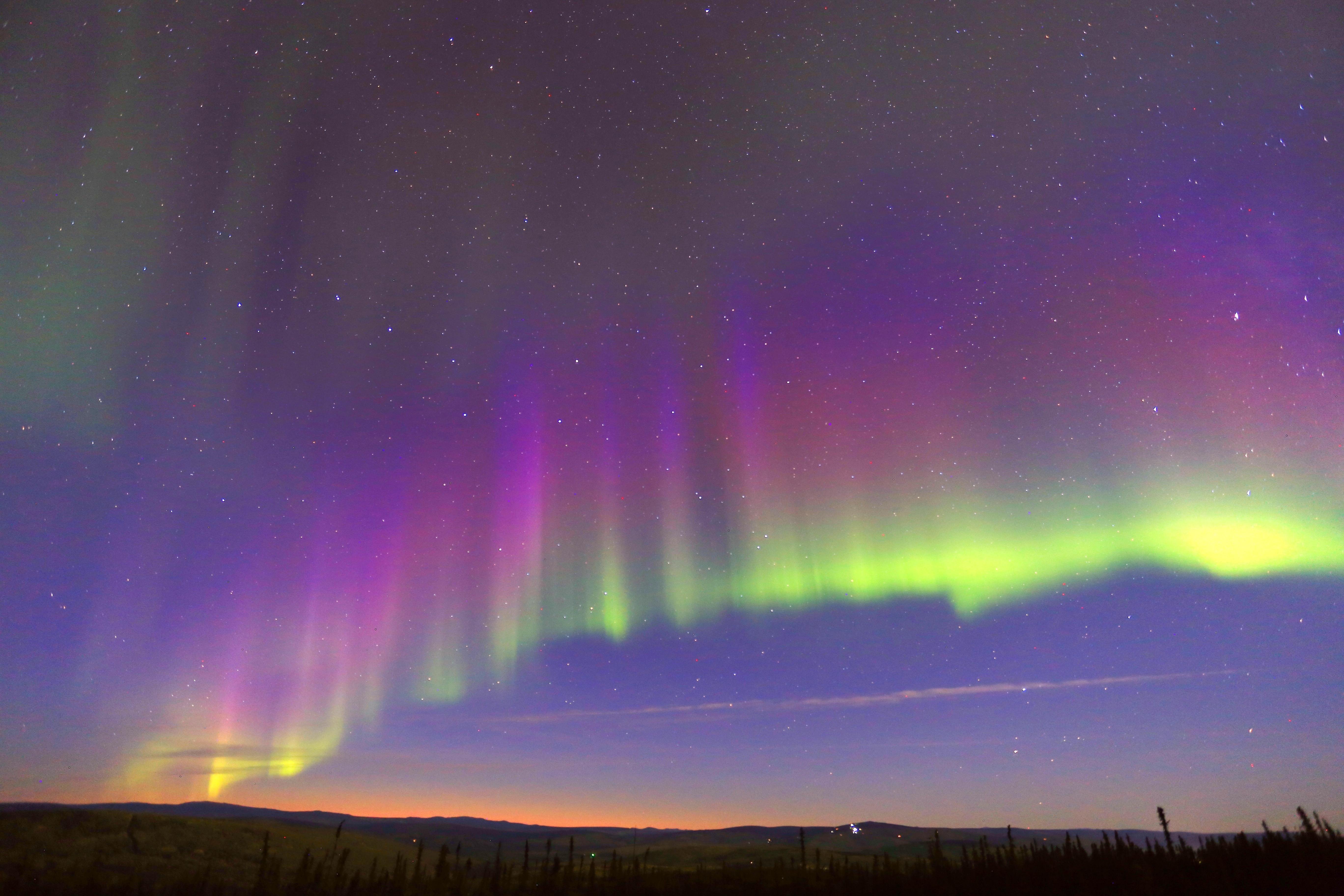
The northern lights result from solar wind particles colliding with oxygen and nitrogen molecules in the thermosphere 60 to 200 miles above Earth's surface. Green auroras, the most common, occur when oxygen atoms at lower altitudes emit photons at 557.7 nanometers. Red auroras appear during intense geomagnetic storms when solar particles penetrate higher into the atmosphere, exciting oxygen above 150 miles. Purple and blue edges mark nitrogen excitation. Peak viewing season runs August through April, when night length exceeds 10 hours and atmospheric transparency improves in subfreezing temperatures. September and March offer a balance of moderate cold and lengthening darkness during equinox periods when geomagnetic disturbances intensify.
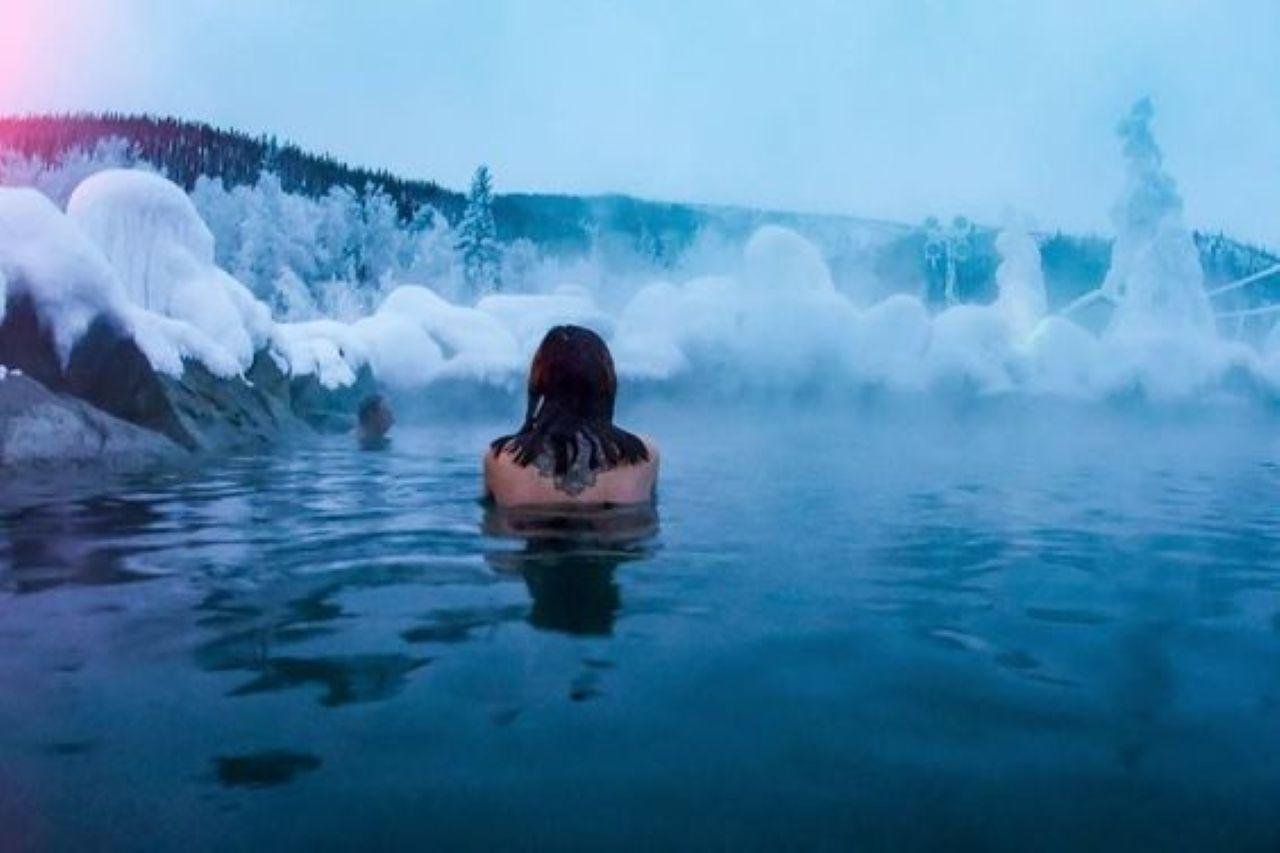
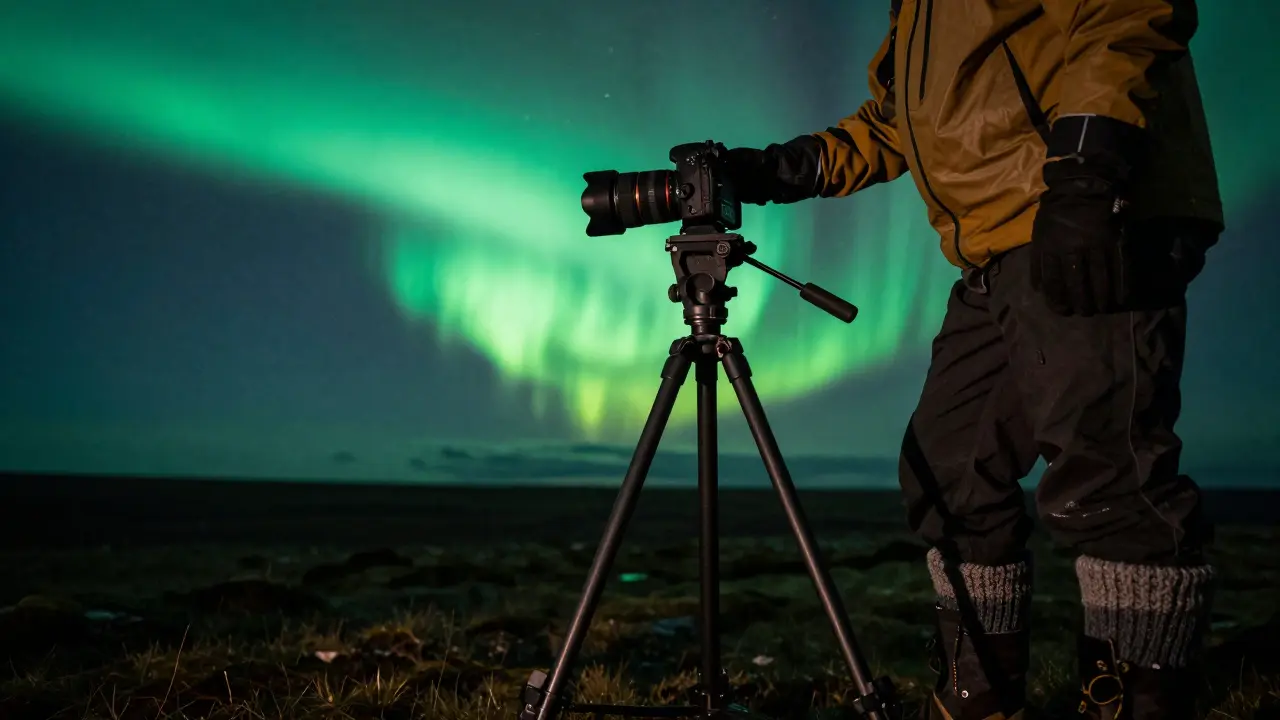
Most tours include the Yukon River bridge viewpoint, where the pipeline's silvered insulation arcs across the river valley, and several operators add Chena Hot Springs as a secondary stop, pairing aurora observation with geothermal pools fed by 165-degree water from a granite intrusion three miles below the surface. Professional photography packages provide DSLR equipment configured for long-exposure aurora capture, with tripod-mounted cameras set to ISO 1600, f/2.8 aperture, and 8- to 15-second shutter speeds to render auroral curtains in high resolution.

The Arctic Circle sits directly beneath the auroral oval's southern edge, meaning displays overhead rather than confined to the northern horizon.
Wear multiple thermal layers including wool base layers, an insulated parka, and heavy-duty winter boots. Exposed skin can suffer frostbite rapidly in these latitudes.
Keep personal items in a small daypack as space inside excursion vehicles is limited. All participants must carry government-issued photo identification.
Bring a tripod for long-exposure shots of the Aurora Borealis during your fairbanks arctic circle northern lights tour. Turn off camera flashes to preserve night vision for other travelers.
Minimum age requirements often apply due to the extended duration of the fairbanks arctic circle northern lights tour. Verify age policies with your specific operator.
Extreme terrain makes these remote areas challenging for mobility aids. Discuss specific requirements with your private tour operator before booking.
Bring high-calorie snacks and a reusable thermal water bottle. Most tours include light refreshments, but supplemental provisions are recommended for the long journey.
Operating Hours
00:00–23:59
Address
Arctic Circle, Alaska, USA
Tour Access
Private transport required
Best Arrival
18:00–22:00
Storage
Not available on transit
Navigation
Off-road tour permits
Car · 6h · Included in tour price
Authorized tour vans only. Personal vehicles are discouraged on the Dalton Highway due to extreme road conditions.
Taxi · N/A · N/A
Not applicable for remote Arctic Circle access. Use the provided shuttle pickup for your fairbanks arctic circle northern lights tour.
Tours must be cancelled at least 48 hours in advance for a full refund. No public entrance fee of 0 USD applies as these are third-party services.
Recommended time
10-14 hours
A fairbanks arctic circle northern lights tour involves a significant commitment due to the remote nature of the destination and the vast travel distances involved. Because these expeditions are operated by private third-party companies, you should plan for a full day or overnight adventure rather than a short local excursion. We suggest selecting a fairbanks arctic circle northern lights tour tours provider that aligns with your interest in celestial phenomena and rugged wilderness exploration. Regardless of fairbanks arctic circle northern lights tour tickets, please note that the best arrival window is 18:00–22:00 for optimal darkness.
Crowd levels through the day
Weather · crowds · average price — dots go green to amber to red as each metric rises.
September offers dark skies without extreme winter cold. Aurora activity begins to intensify as seasonal solar cycles align.
Deep winter provides the longest hours of darkness for viewing. Temperatures drop significantly, requiring specialized gear for the fairbanks arctic circle northern lights tour.
Extended daylight eventually concludes the season. February and March remain excellent months for clear, crisp viewing conditions.
The Midnight Sun prevents dark-sky viewing. Tours do not operate during these months for the primary attraction.
Monitor solar activity indices before departing. High Kp-index numbers increase the probability of a visible display.
Lithium batteries drain fast in sub-zero temperatures. Keep them in an inner pocket close to your body heat.
The fairbanks arctic circle northern lights tour relies on natural phenomena. Visible results are never guaranteed during any specific trip.
Stable platforms are necessary for night photography. Even minor hand tremors can blur the elusive light patterns.
Avoid cotton fabrics which trap moisture. Use synthetic or wool layers to manage sweat while navigating the cold.
The fairbanks arctic circle northern lights tour industry emerged in the late 1970s when Alaska's Trans-Alaska Pipeline construction drew scientists and photographers to high-latitude observation sites. The U.S. Geophysical Institute at the University of Alaska Fairbanks had documented auroral activity since 1930, but commercial access remained restricted until 1977, when the Dalton Highway opened to Prudhoe Bay, creating the first overland route crossing the Arctic Circle at milepost 115.5. Early expeditions were spartan: bush pilots ferried small groups to remote lodges, and success depended on cloud cover and solar forecasts issued days in advance. By 1982, Japan's national broadcaster aired a documentary on Alaska's auroras, triggering a wave of international bookings that forced operators to winterize vehicles and establish heated viewing cabins along the Dalton corridor. The industry nearly collapsed in 1989 after the Exxon Valdez spill deterred tourism statewide, but a partnership between the Alaska Travel Industry Association and aurora researchers salvaged demand by publishing real-time geomagnetic storm alerts. The advent of GPS navigation in the mid-1990s allowed guides to chase clear skies across vast tundra stretches, raising success rates above 80 percent for multi-night tours. Digital photography replaced film in 2003, democratizing the capture of auroral curtains and spawning a surge in solo travelers seeking Instagram-worthy content. Climate data from NOAA showed that Fairbanks recorded auroral visibility on 243 nights per year between 2010 and 2020, cementing its reputation as North America's most reliable access point. Today, fairbanks arctic circle northern lights tours depart nightly from September through March, supported by satellite imagery, mobile apps tracking solar wind, and a fleet of Mercedes Sprinters equipped with thermal seating and observation decks. The Arctic Circle itself remains a symbolic threshold—a line at 66°33′N where visitors cross into the land of the midnight sun.
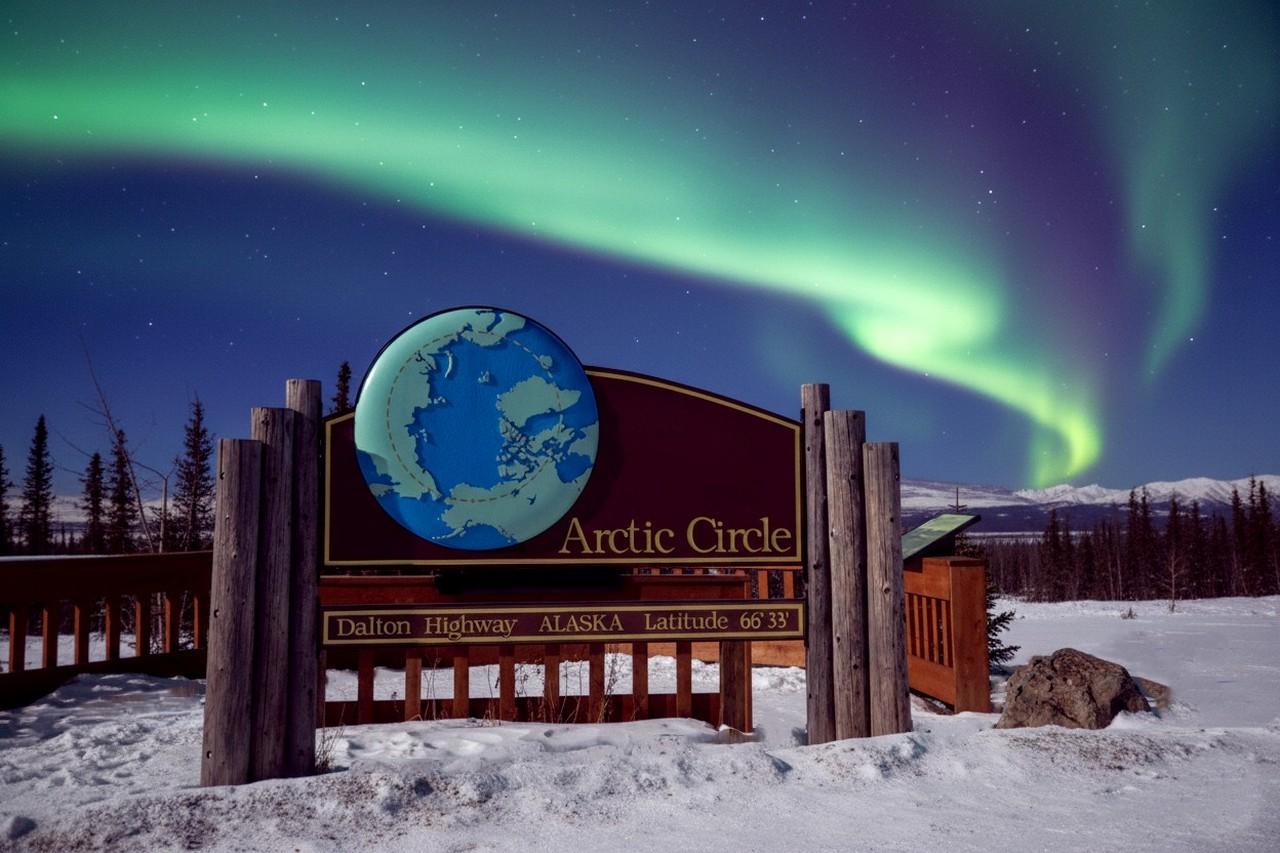
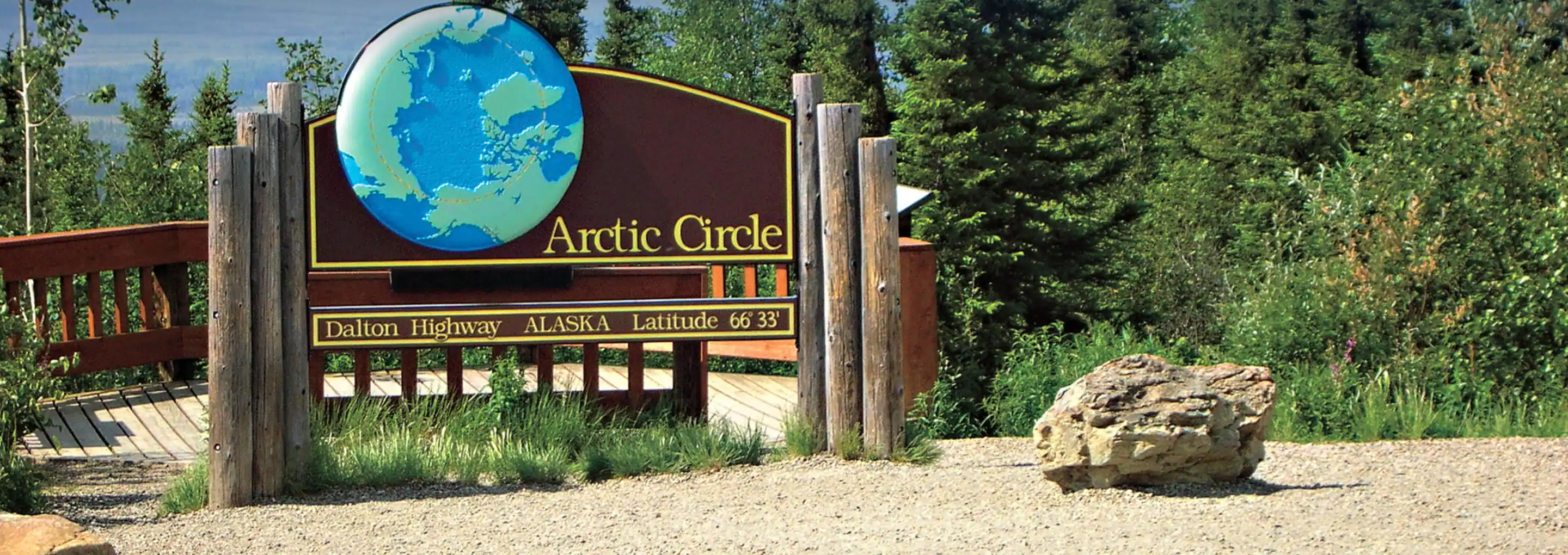
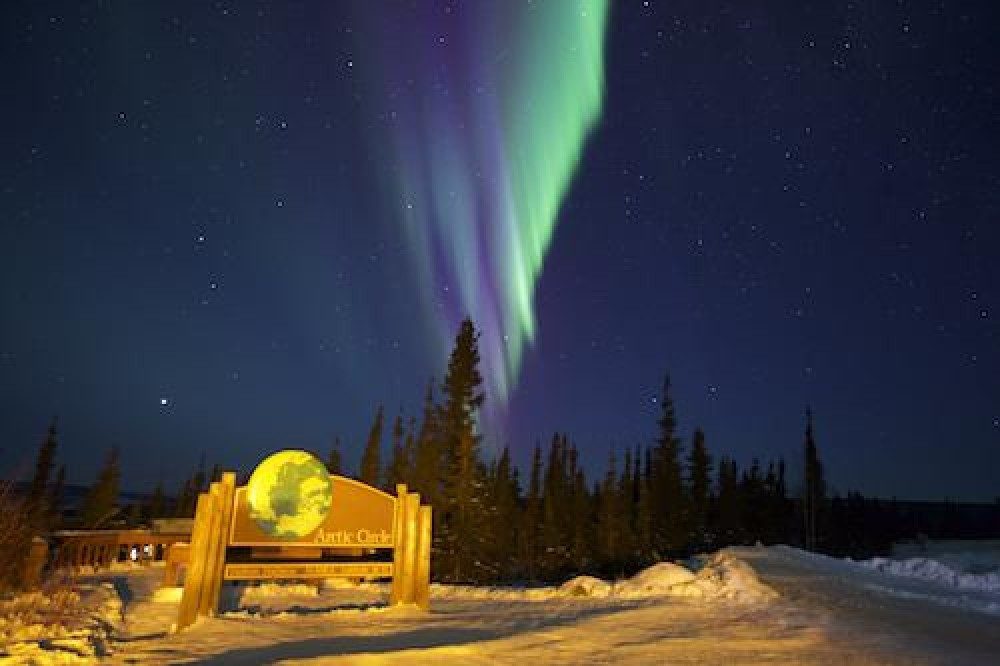
Position yourself directly in front of the iconic wooden sign to capture the contrast between the structure and the expansive, dark Alaskan wilderness. This remains the primary waypoint for any fairbanks arctic circle northern lights tour where visitors frame the aurora dance above the latitude marker.
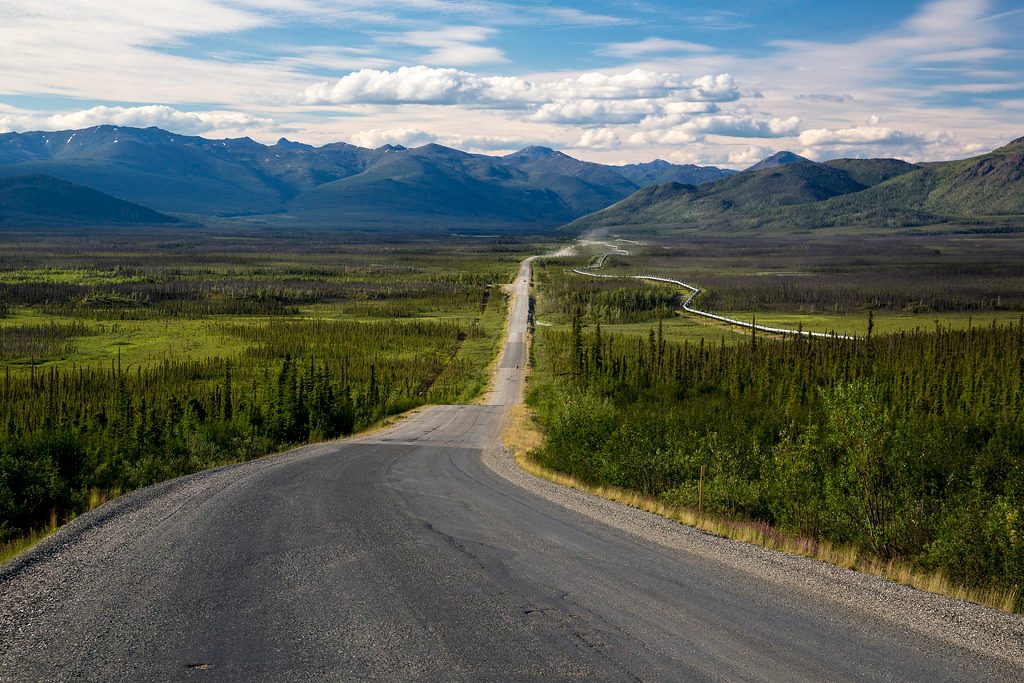
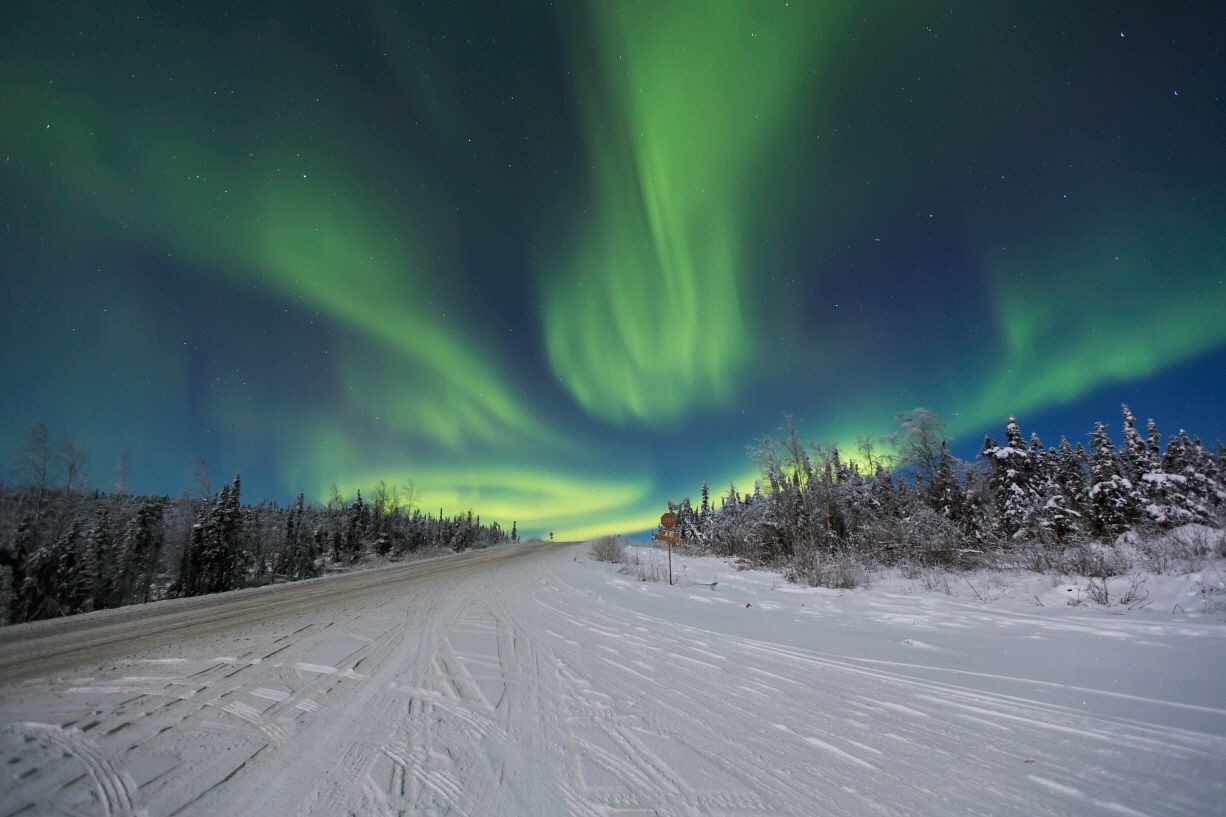
This vantage point provides a sweeping perspective of the rugged subarctic terrain, ideal for wide-angle compositions featuring the sky overhead. Photographers often use these fairbanks arctic circle northern lights tour tours to capture the vast, lonely road stretching toward the horizon.
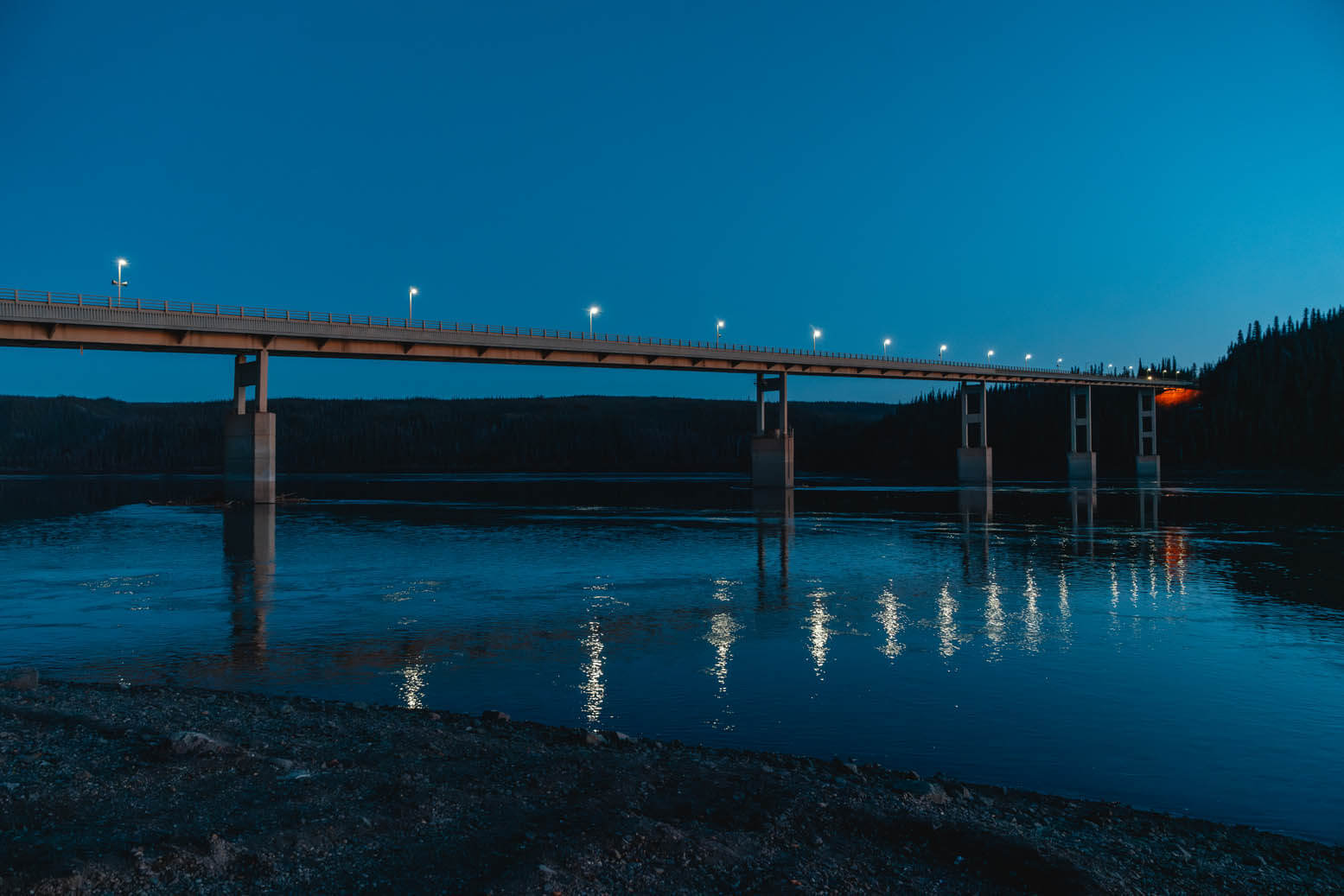
Standing on the banks near this engineering feat allows for long exposures of the water reflecting the celestial display. This spot is a frequent stop for a fairbanks arctic circle northern lights tour tour, offering a distinct industrial foreground against the natural light show.
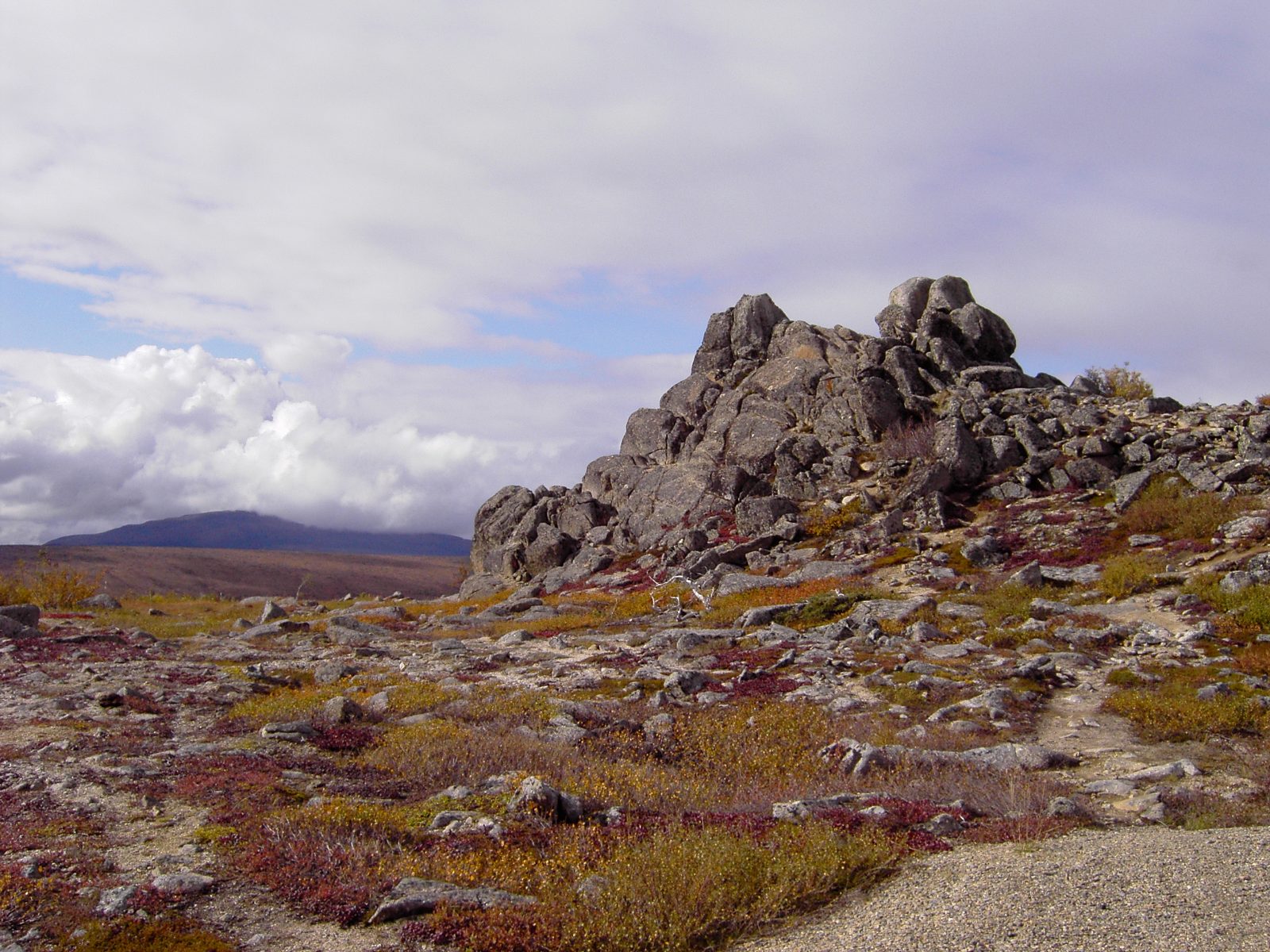
This high-elevation site features unique rock formations that provide a solid silhouette against the backdrop of the aurora borealis. Those seeking fairbanks arctic circle northern lights tour tickets often prioritize this location for its dramatic geological interest.
Planning a fairbanks arctic circle northern lights tour requires significant preparation due to the extreme duration and sub-zero temperatures. Families should prioritize comfort and warmth to ensure a positive experience while chasing the aurora borealis.
Standard strollers are not practical for this remote wilderness terrain and should be left behind in favor of child carriers. The rugged environment makes accessible movement challenging for young children.
This excursion is recommended for older children and teenagers who can handle long hours in a vehicle and extreme cold. Consider if your child has the stamina for an overnight journey before booking fairbanks arctic circle northern lights tour tickets.
There are no public facilities or heated amenities at the destination, as this is a remote wilderness location. Ensure you have assessed the onboard capabilities of your chosen fairbanks arctic circle northern lights tour tour operator regarding restrooms.
Pack plenty of high-energy snacks and warm drinks, as service stops are limited during these long-distance journeys. Reliable access to dining is rare, making self-sufficiency essential for fairbanks arctic circle northern lights tour tours.
Expect a very late night, with the best arrival window being 18:00–22:00 for optimal darkness. Plan for minimal sleep as these expeditions often stretch into the early morning hours.
Dining options are extremely limited in this remote wilderness, so most travelers on a fairbanks arctic circle northern lights tour plan to bring their own supplies for the journey. There are no permanent restaurants located directly at the Arctic Circle crossing, making self-sufficiency essential for your expedition.
Located at the primary stop along the Dalton Highway, this venue serves hearty burgers and soups perfect for warming up. It is the most reliable food source for those booking fairbanks arctic circle northern lights tour tours.
Everything you need to know for your journey
The tour operators maintain accessibility 00:00–23:59 daily. Please refer to your booking confirmation for specific departure hours.
Yes, you must purchase fairbanks arctic circle northern lights tour tickets through private third-party companies.
Operators set age restrictions for the fairbanks arctic circle northern lights tour due to the harsh environment. Check with your chosen provider for details.
You may bring personal photography gear for your fairbanks arctic circle northern lights tour. Space is limited, so pack a compact equipment kit.
Book during the winter months for the longest darkness. The best arrival window is 18:00–22:00 for optimal viewing.
Light refreshments are included with most tours. We recommend bringing extra water for your fairbanks arctic circle northern lights tour.
Meeting points are usually at Fairbanks hotels. Confirm your specific pickup location with your tour organizer.
Cancellations are managed by the tour operator. Ensure you understand the 48-hour policy for your fairbanks arctic circle northern lights tour.
We recommend arriving at your designated meeting spot between 18:00–22:00 for the best experience.
This massive river represents a major geographical crossing point for visitors. It serves as a scenic waypoint during the long northern journey.
Central hub with numerous hotels and dining options.
Join thousands of happy travelers who have discovered this incredible experience
Book Your Experience Now