12 hr
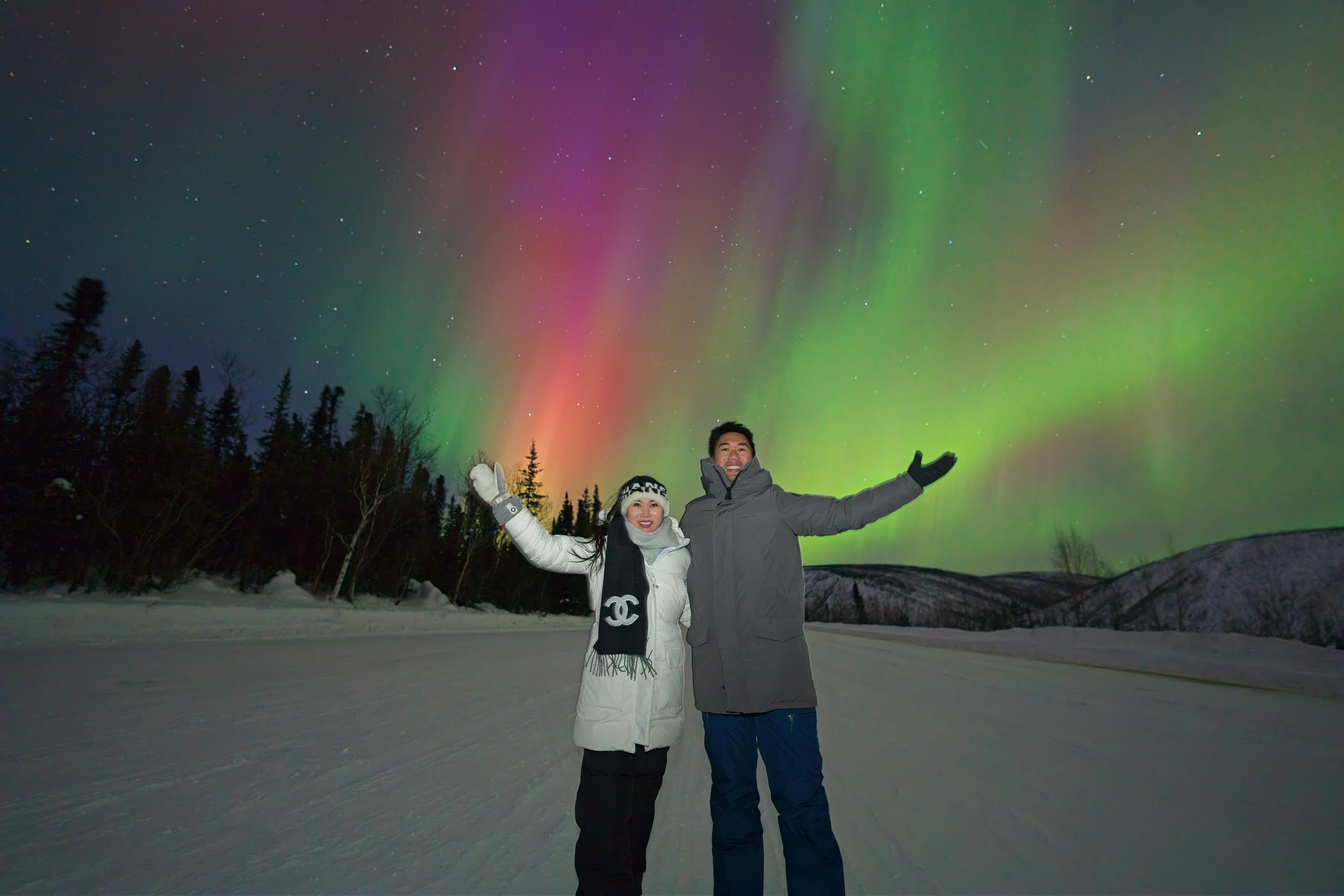
Fairbanks Aurora Hunt with Complimentary Photography
- Expert local guide
- Small group
- Skip-the-line access
- Free cancellation
Fairbanks Northern Lights Photography Tour — Expert-Led Aurora Hunts
Chase the auroral oval with veteran shooters, camera-ready locations chosen nightly
Compare fares, pick the fit — all bookings are mobile-voucher and eligible for free cancellation where shown.
12 hr
10 hr
14 hr
Selecting the right fairbanks northern lights photography tour allows enthusiasts to capture the Aurora Borealis with professional guidance and specialized equipment support. These distinct access levels ensure you find the optimal night sky viewing experience for your technical skill set.
|
Top pick Standard Session Guided Field Instruction |
Advanced Workshop Multi-Location Expedition | |
|---|---|---|
| Access Level | Mid-level viewing area | Summit and remote locations |
| Photo Instruction | Basic camera settings support | Full manual exposure training |
| Equipment Rental | Tripod and head support | Full camera and lens kit |
| Duration | 4 hours | 8 hours |
| Best for | First-time aurora seekers | Serious photography enthusiasts |
| See tickets & prices |
Verdict: For the best balance of value and expertise, most visitors prefer the fairbanks northern lights photography tour tours that provide onsite field instruction.
Worth it for photographers chasing rare aurora shots
A Fairbanks northern lights photography tour runs $85–$180 depending on whether you want complimentary photo instruction, hot springs access, or Arctic Circle day-trip extensions. The core value proposition is twofold: expert guides who monitor aurora forecasts and reposition you in real time, plus access to dark-sky zones far from city light pollution. Tours like the Aurora Hunt with Complimentary Photography include camera settings coaching and tripod use—critical for long-exposure night shots. Chena Hot Springs bundles thermal pools with aurora viewing, while Dalton Highway options push you to the Arctic Circle for geomagnetic advantage. Free entry to viewing areas exists, but self-drivers miss the forecast expertise, optimal site selection, and on-site instruction that separate mediocre snapshots from portfolio-grade aurora borealis images. Worth it for enthusiasts prioritizing shot quality over budget; skip if you already own night-photography skills and a vehicle for remote access.
Bottom line: If you're investing in northern lights photography tours and lack remote access or forecast tools, the guided options deliver measurable shot-quality gains that justify the spend.
They complement each other; most visitors who do both call the mobile photography excursion the more thrilling choice for capturing celestial activity. Choosing the right Fairbanks northern lights photography tour ensures you align your technical ambitions with your preferred level of physical engagement.
|
Top pick Photo Chase |
Stationary Lodge | |
|---|---|---|
| Mobility | High (chase weather) | None (fixed site) |
| Comfort levels | Vehicle-based / Exposure | Climate-controlled indoors |
| Photography instruction | Professional guidance included | Self-guided / Limited |
| Success probability | Dynamic repositioning | Weather dependent |
| Cost | 200–450 USD | 150–300 USD |
| Duration | 6–8 hours | 4–6 hours |
| See tickets & prices |
Verdict: If you prioritize expert camera settings and maximizing sky visibility, the fairbanks northern lights photography tour tours provide superior results compared to the sedentary nature of fairbanks northern lights photography tour tickets.
Hand-picked experiences loved by thousands of travelers
14 hours
Free Cancellation
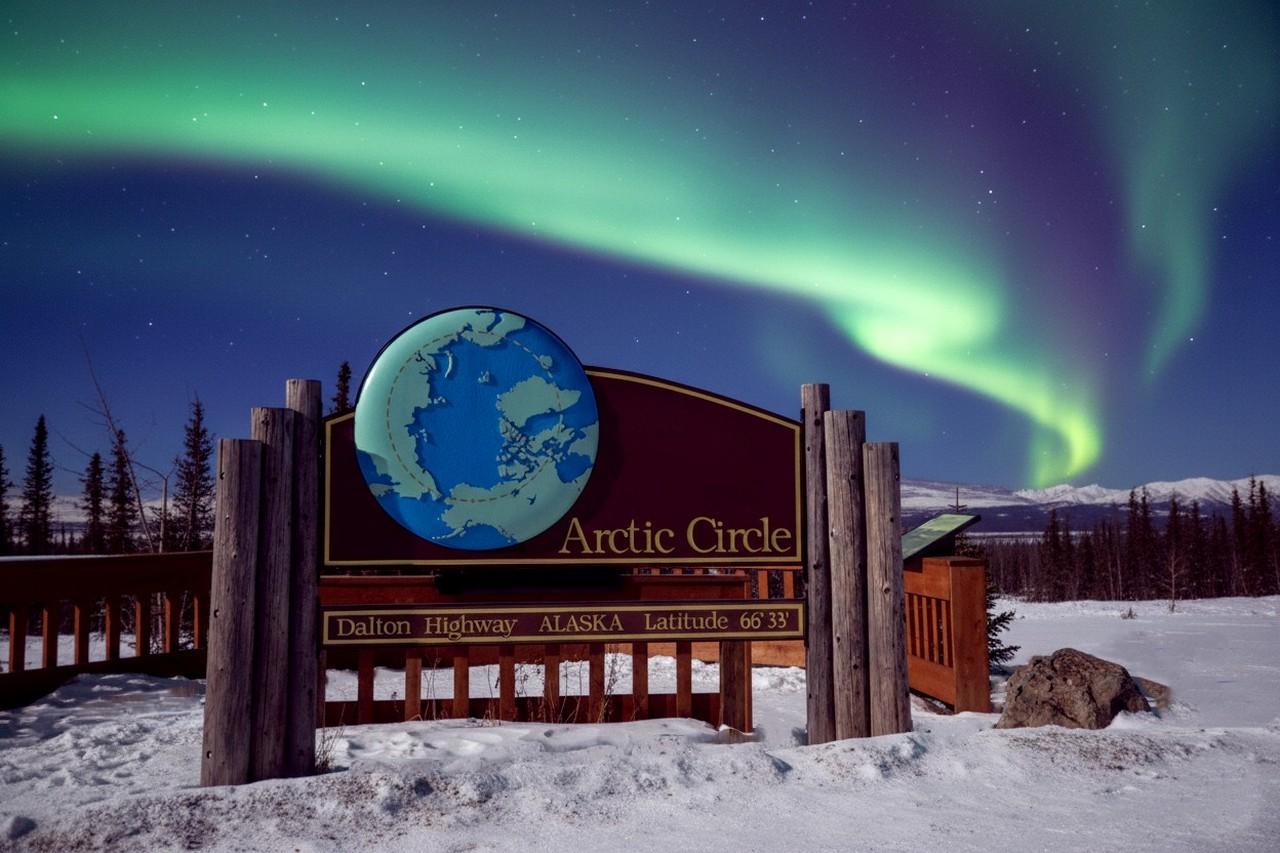
Travel Alaska's legendary wilderness road to cross 66°33′N, then chase the northern lights home
5 hours 30 minutes
Free Cancellation
Watch for the aurora borealis from a heated wilderness cabin with hot drinks and snacks included
5 hours
Free Cancellation
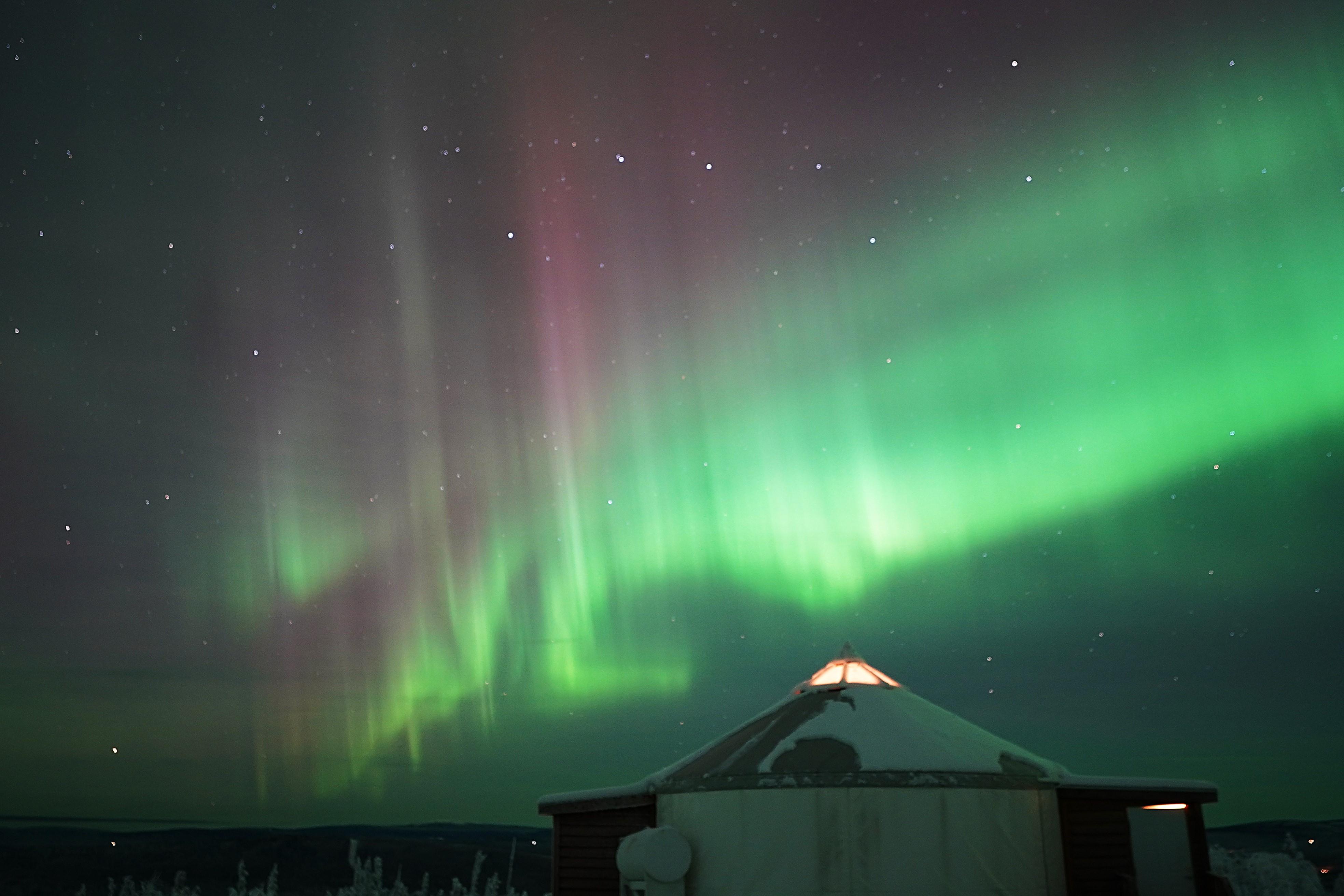
Watch the northern lights from a heated panoramic glass shelter atop one of Fairbanks' premier viewing peaks.
14 hours
Free Cancellation
Cross into the Arctic, chase the aurora, and explore Alaska's untamed wilderness on this epic day trip.
6 hours
Free Cancellation
Chase the aurora across Alaska's dark skies with expert guides and real-time forecasting technology.
6 hours
Free Cancellation
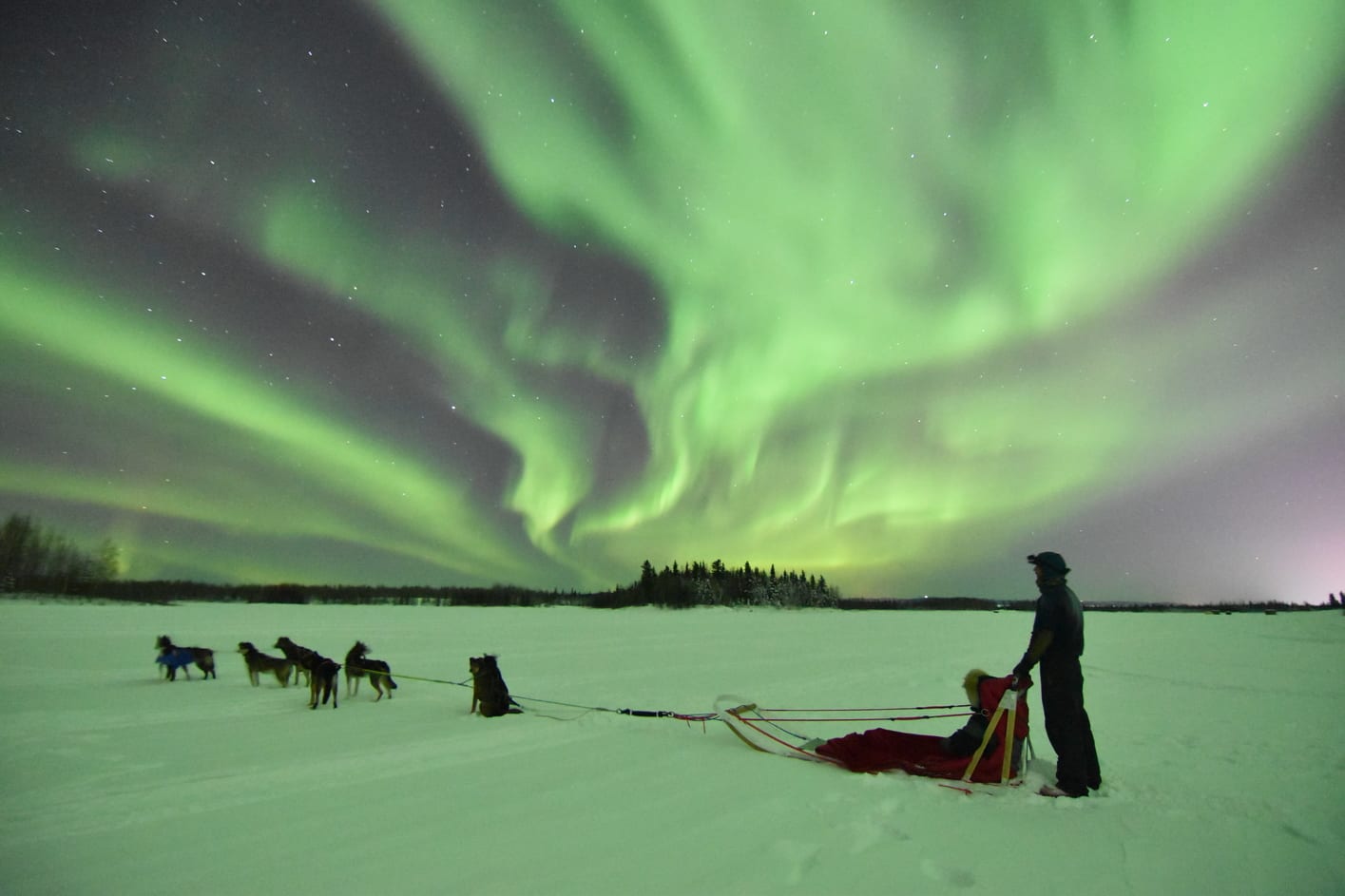
Glide through snowy wilderness by dog sled, savor a hearty meal in a remote yurt, and watch for dancing Northern Lights
5 hours
Free Cancellation
Watch the aurora dance across Arctic skies from a warm lodge with panoramic windows and hot drinks
6 hours
Free Cancellation
Chase the northern lights with a pro photographer, stay warm in a heated shelter, and feast on wood-fired pizza
Review manual camera settings and tripod stability
Travel to secluded viewing area away from light pollution
Monitor solar activity and adjust exposure settings
Transportation back to designated meeting point
Provides a scenic, low-light setting for initial camera calibration and focus tests.
The secluded spots offer unobstructed 360-degree views of the celestial horizon.
A remote location designed specifically for maximizing aurora visibility away from city lights.
The dark interior skies provide high contrast for capturing bright aurora ribbons.
Ideal for capturing low-lying aurora displays against the silhouette of distant peaks.
You meet your guide two hours after sunset at a staging point on the Chena Hot Springs Road, where the group loads camera gear into a heated van and reviews the night's magnetometer forecast. The first stop sits twenty-three miles from the city center, a gravel pullout flanked by black spruce and a frozen creek bed.
Your guide sets up a portable heater and helps you mount your camera to a weighted tripod, then walks you through manual focus using a distant ridge line. You dial ISO to 3200, open the aperture to f/2.8, and fire a test frame at four seconds. The histogram shows a clean bell curve; you're ready.
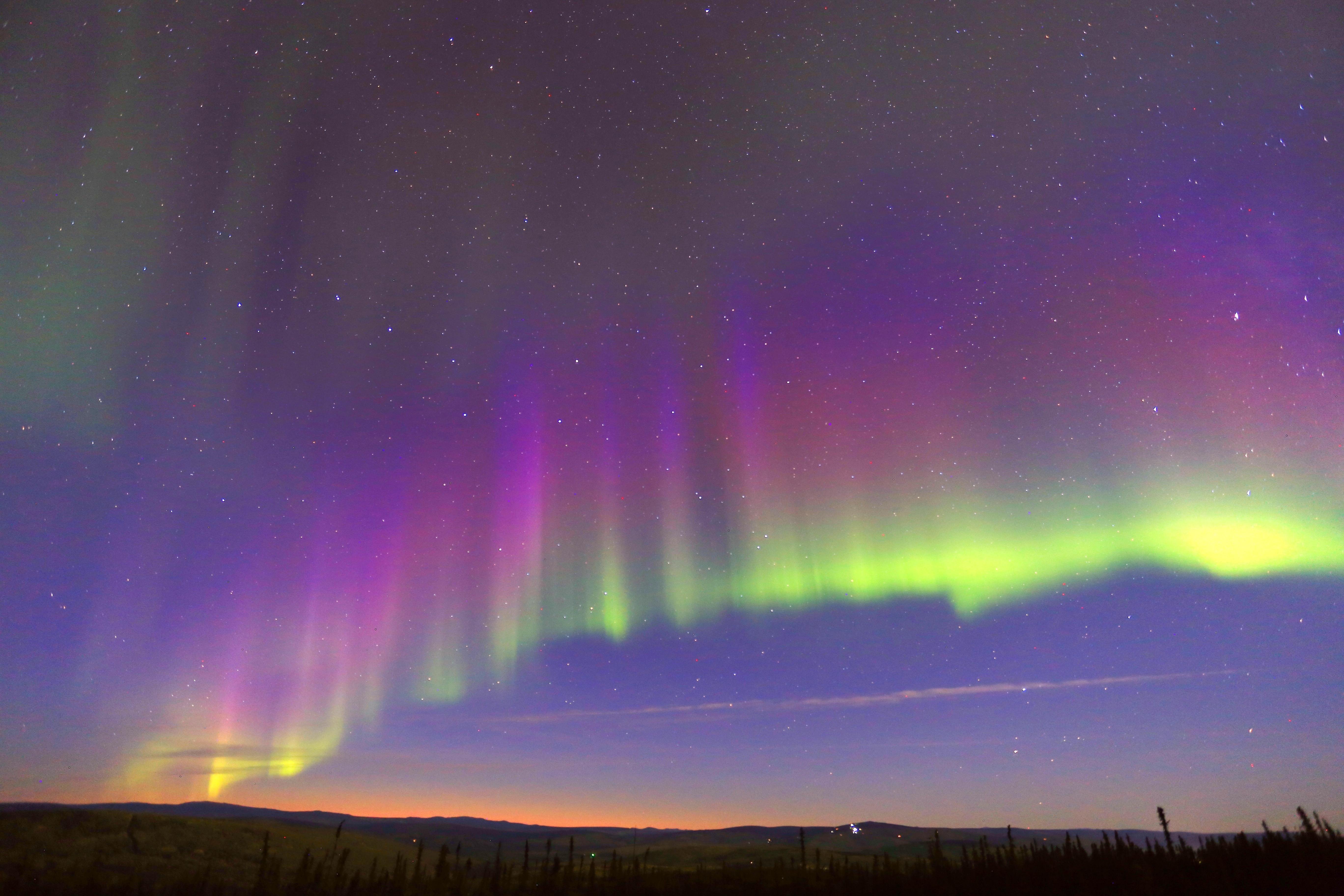
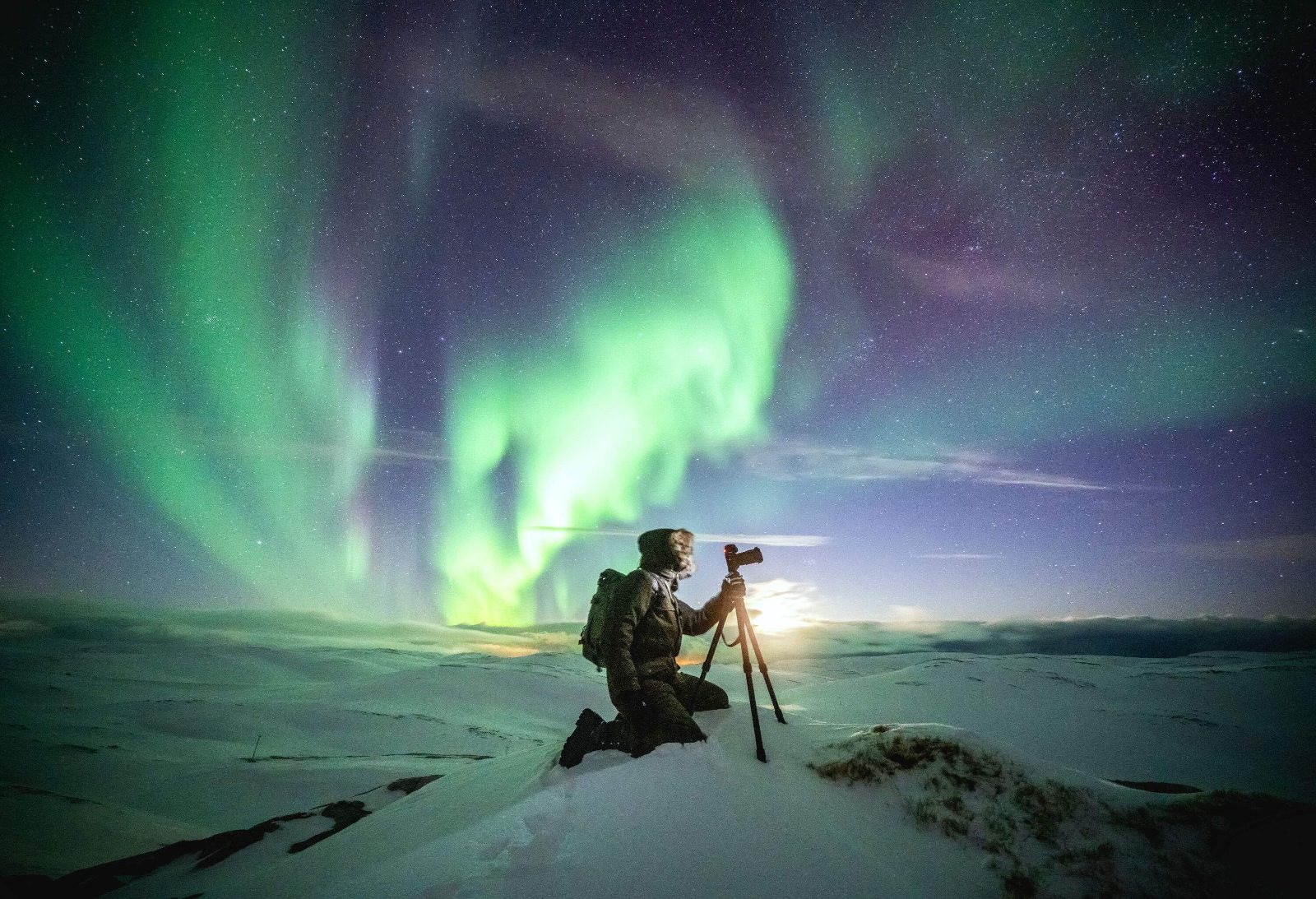
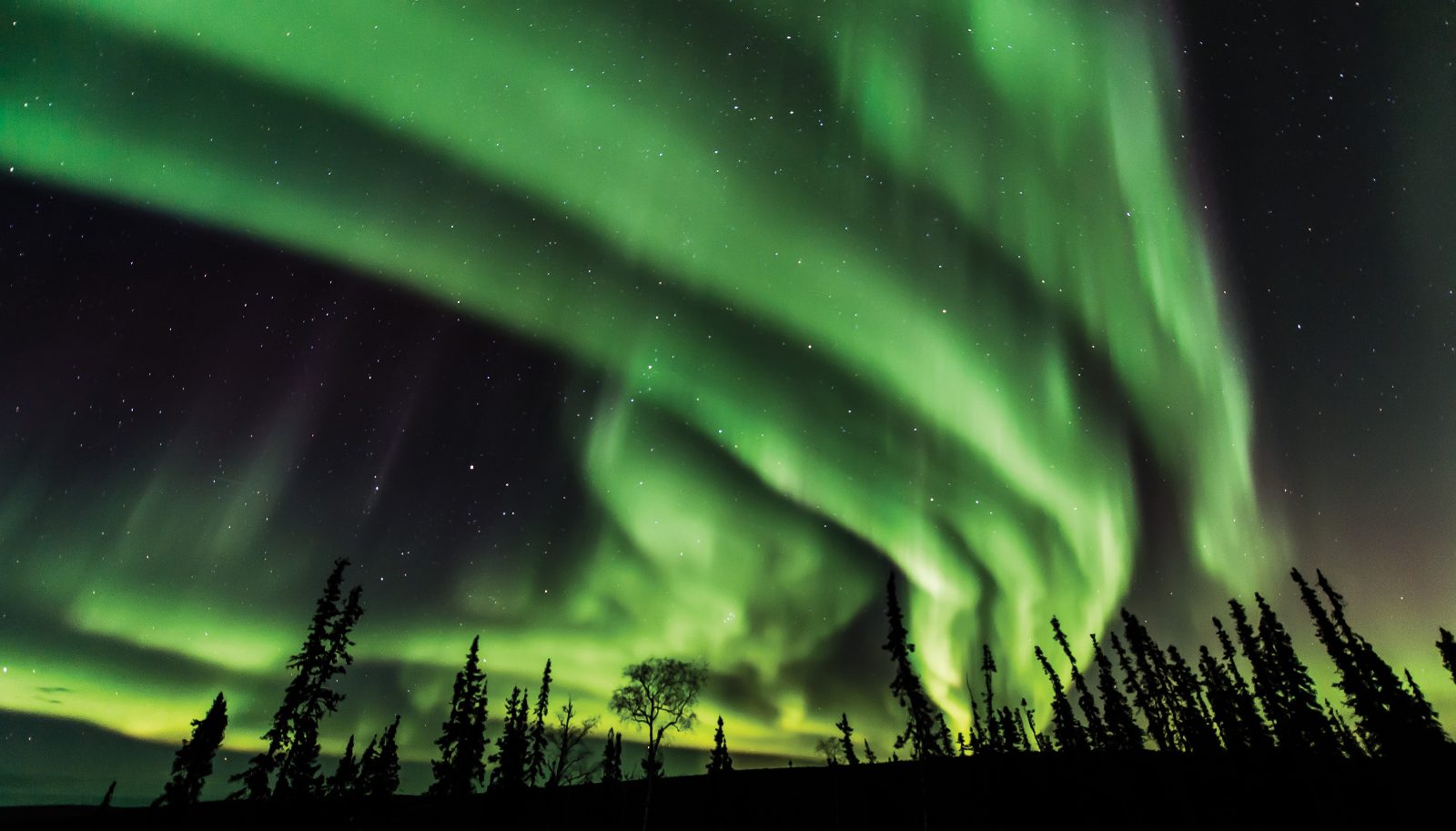
The aurora arrives as a faint green smudge low on the northern horizon, then lifts and folds into vertical rays within fifteen minutes. You adjust shutter speed to six seconds and shoot in two-frame bursts, checking focus between sequences. Your guide points out a magenta fringe developing overhead, a high-altitude oxygen signature visible only in long exposure. You tilt the tripod and reframe to include foreground spruce, their silhouettes anchoring the composition. The display intensifies into a substorm, curtains rippling east to west faster than your eye can track. You switch to three-second exposures and let the interval timer run, capturing twenty frames before the breakup fades. Between sets, you retreat to the van for coffee and battery swaps, then return to the tripod as a second arc builds toward zenith.
All the details about your upcoming adventure in one place
Fairbanks sits directly beneath the auroral oval, a doughnut-shaped zone where charged solar particles collide with Earth's magnetosphere. At 64.
8 degrees north latitude, the city occupies one of the planet's most reliable aurora viewing corridors, with clear skies on roughly 240 nights per year and geomagnetic activity overhead from late August through mid-April. The convergence of low humidity, minimal coastal cloud cover, and vast stretches of undeveloped boreal forest has made interior Alaska a proving ground for aurora science since the 1930s, when the University of Alaska established the Geophysical Institute to study ionospheric phenomena.
A Fairbanks northern lights photography tour leverages this geography by moving participants away from the city's light dome and into pre-scouted locations along the Chena, Steese, and Elliott highways. Guides monitor real-time magnetometer data from the Poker Flat Research Range and NOAA space weather forecasts, then direct groups to clearings with unobstructed northern horizons. The logistics matter as much as the light itself: temperatures between November and February regularly fall below minus twenty Fahrenheit, and camera batteries drain in minutes without insulated housings. Tour operators supply heated shelters, tripod stabilizers rated for frozen ground, and backup power banks, while instructors teach interval shooting, manual focus at infinity, and histogram-based exposure correction in near-total darkness.
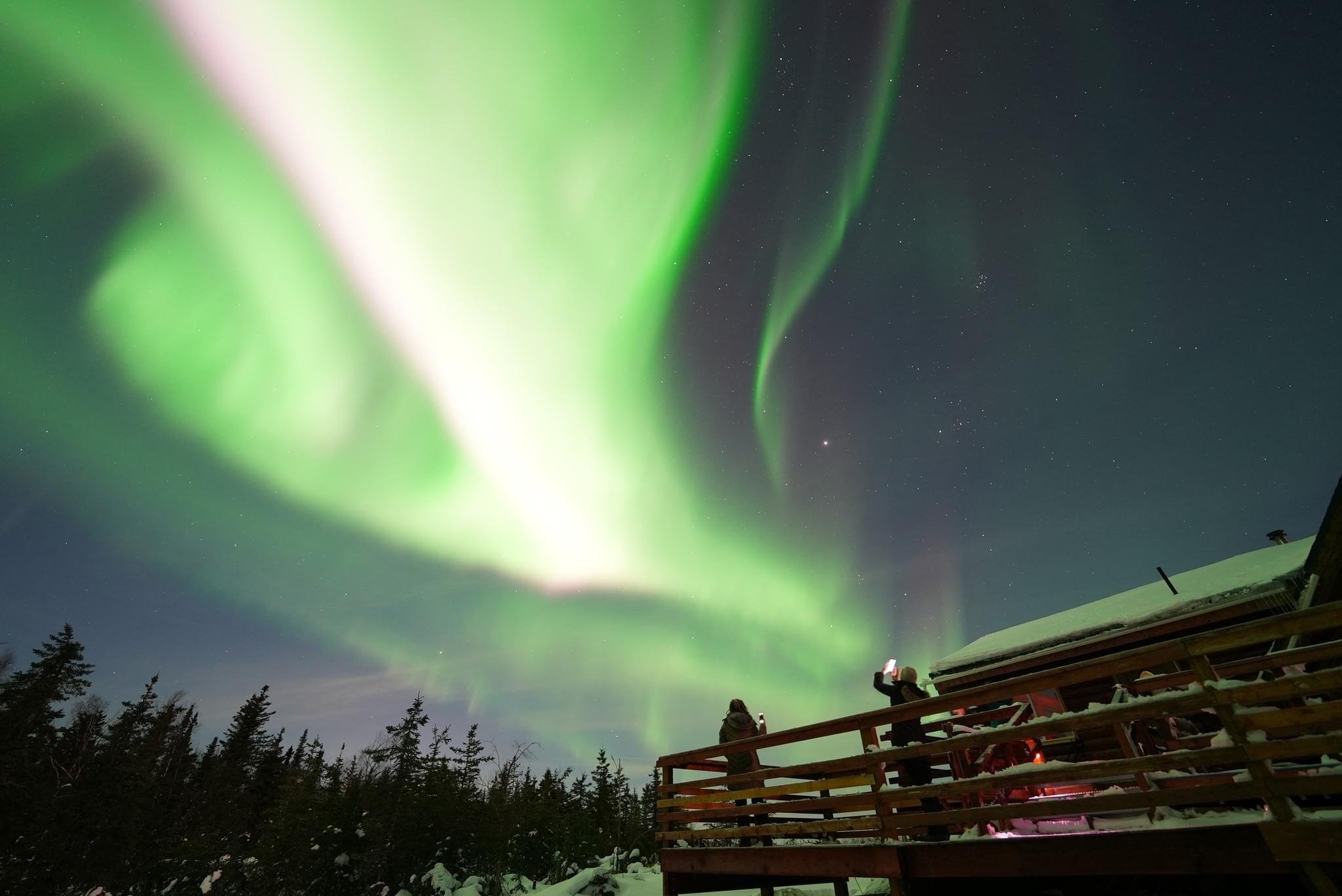
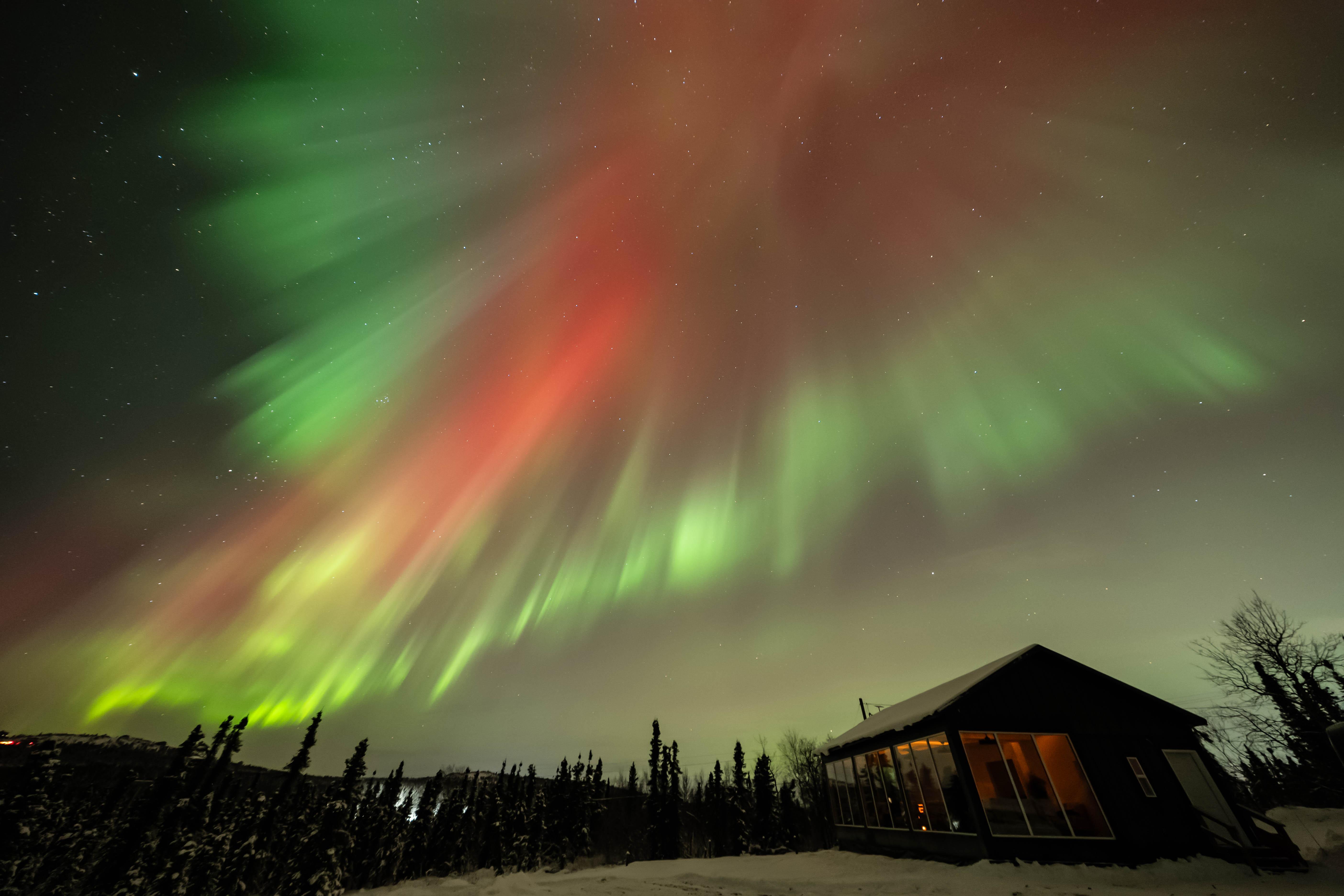
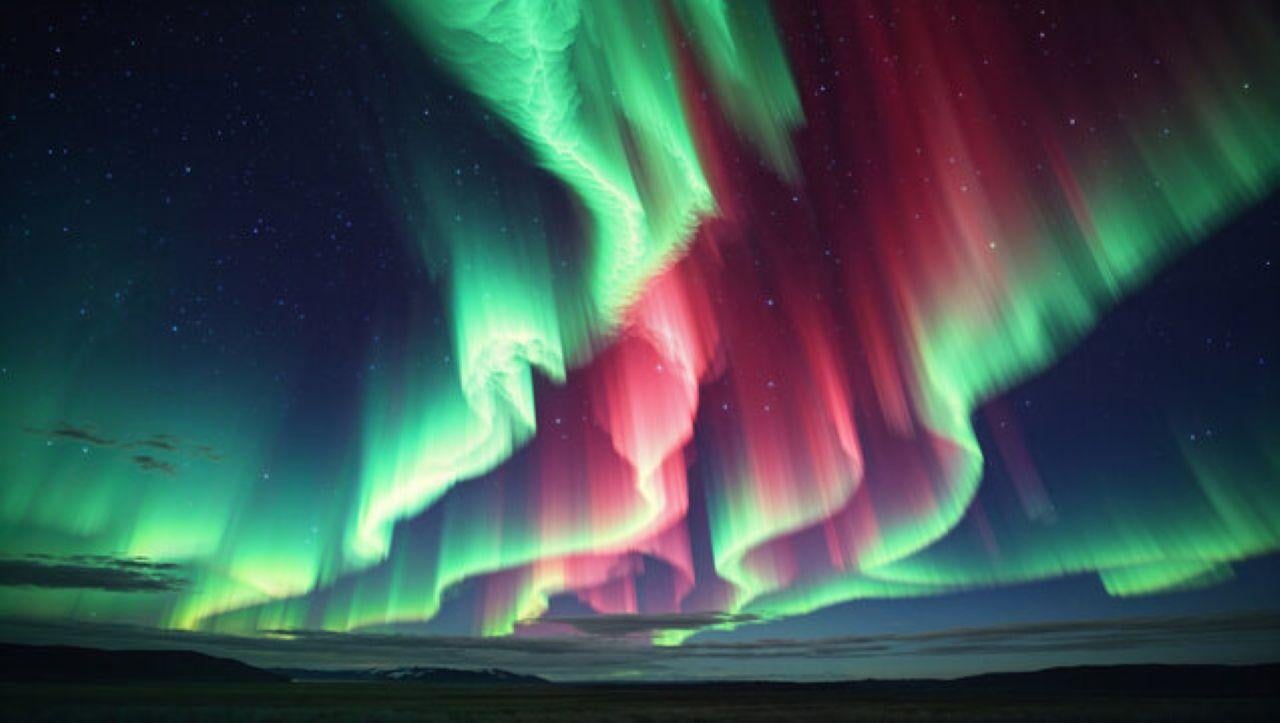
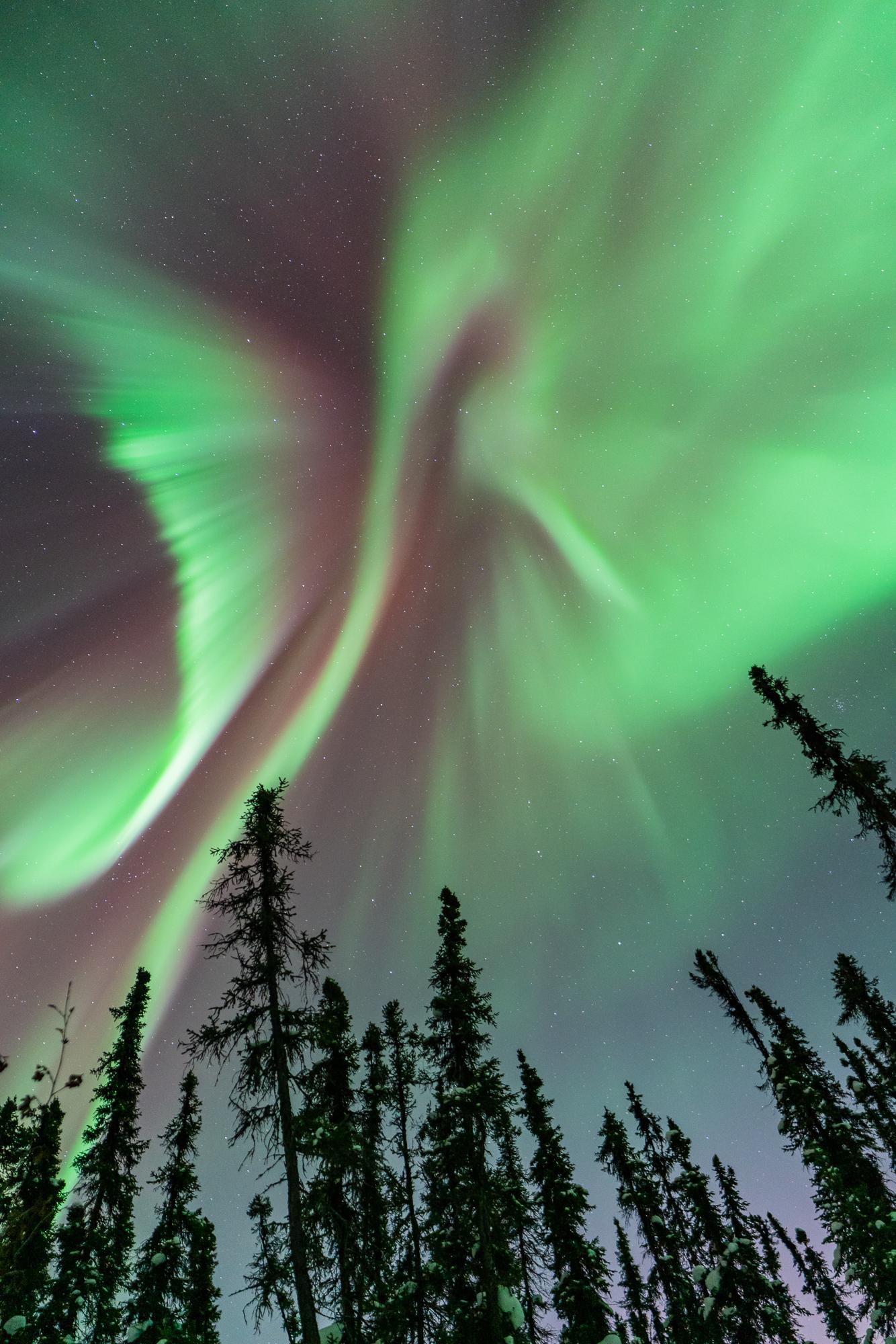
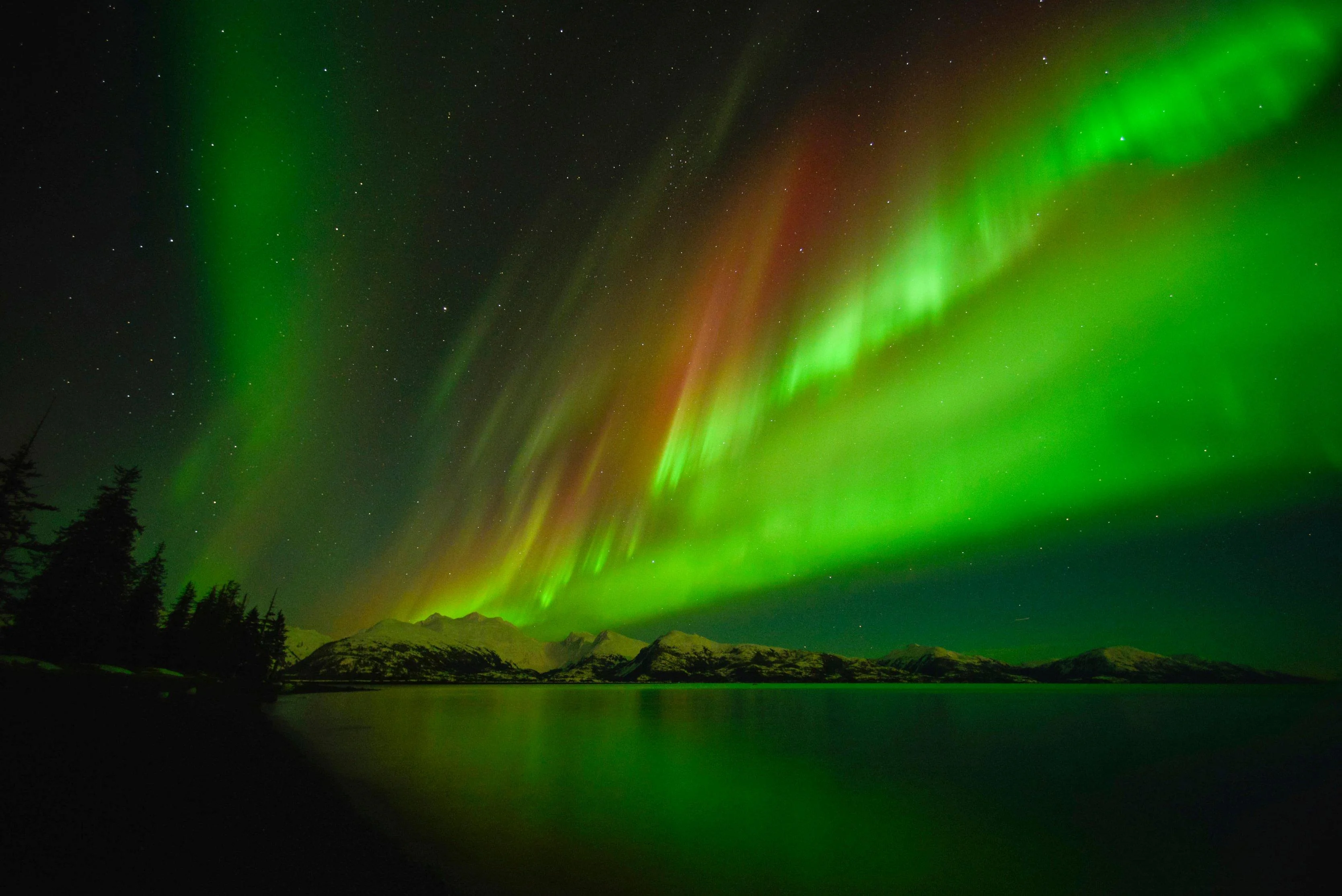
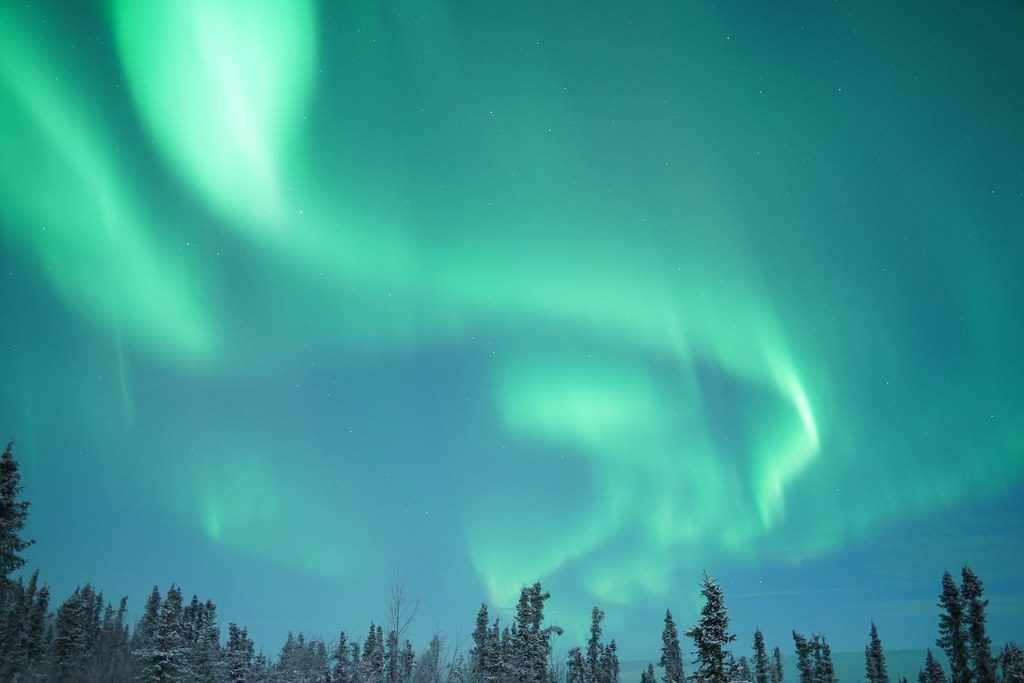
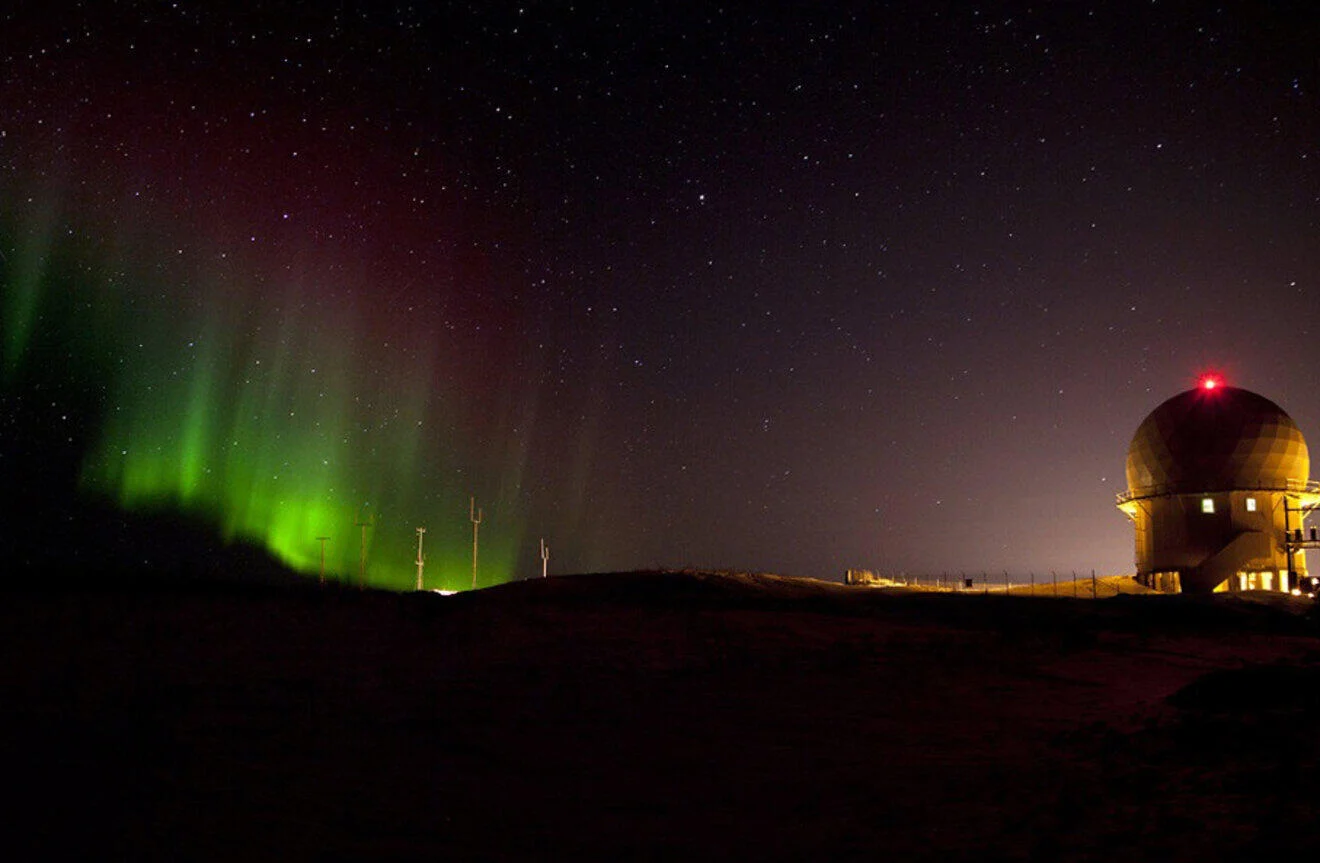
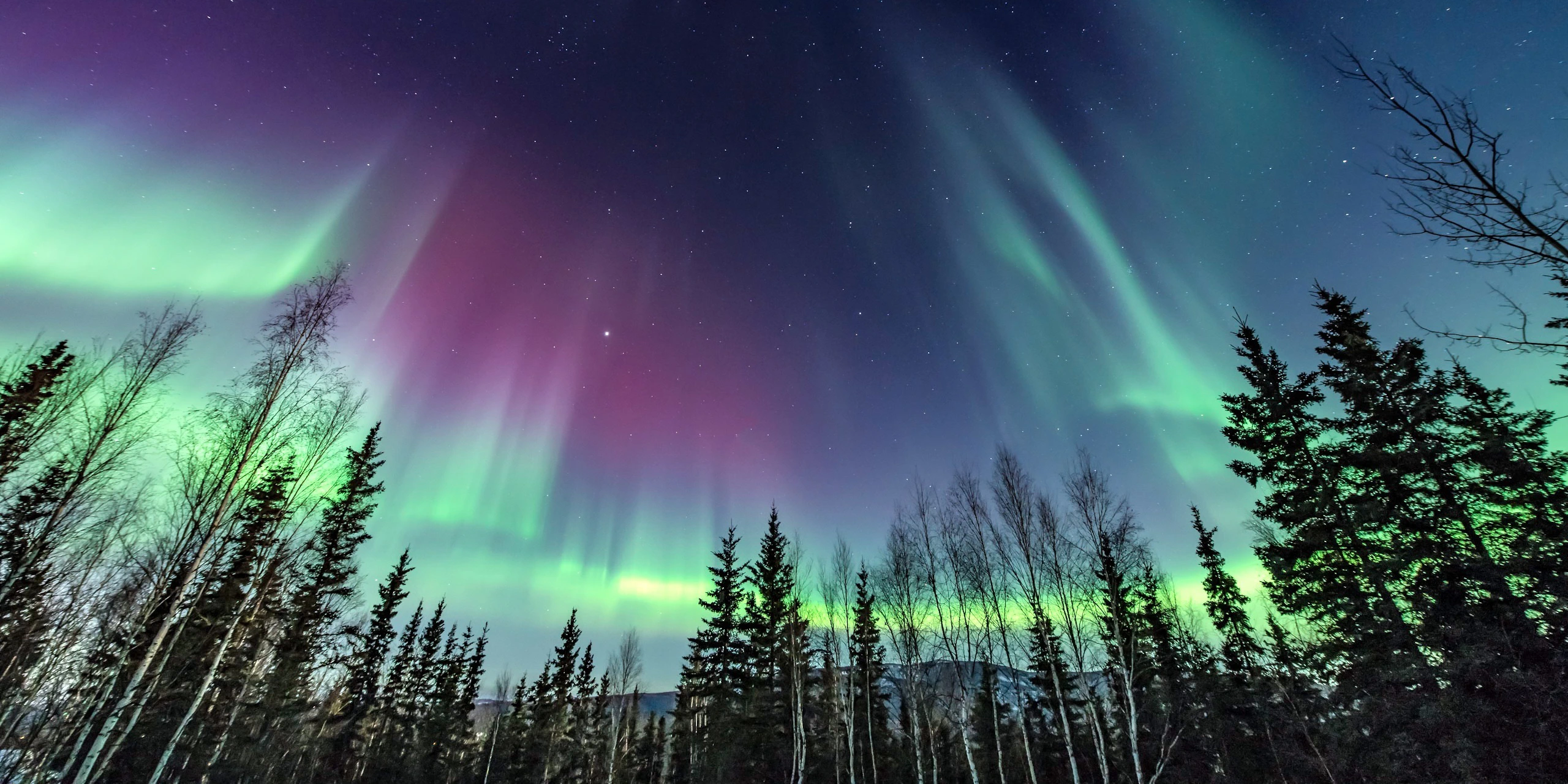
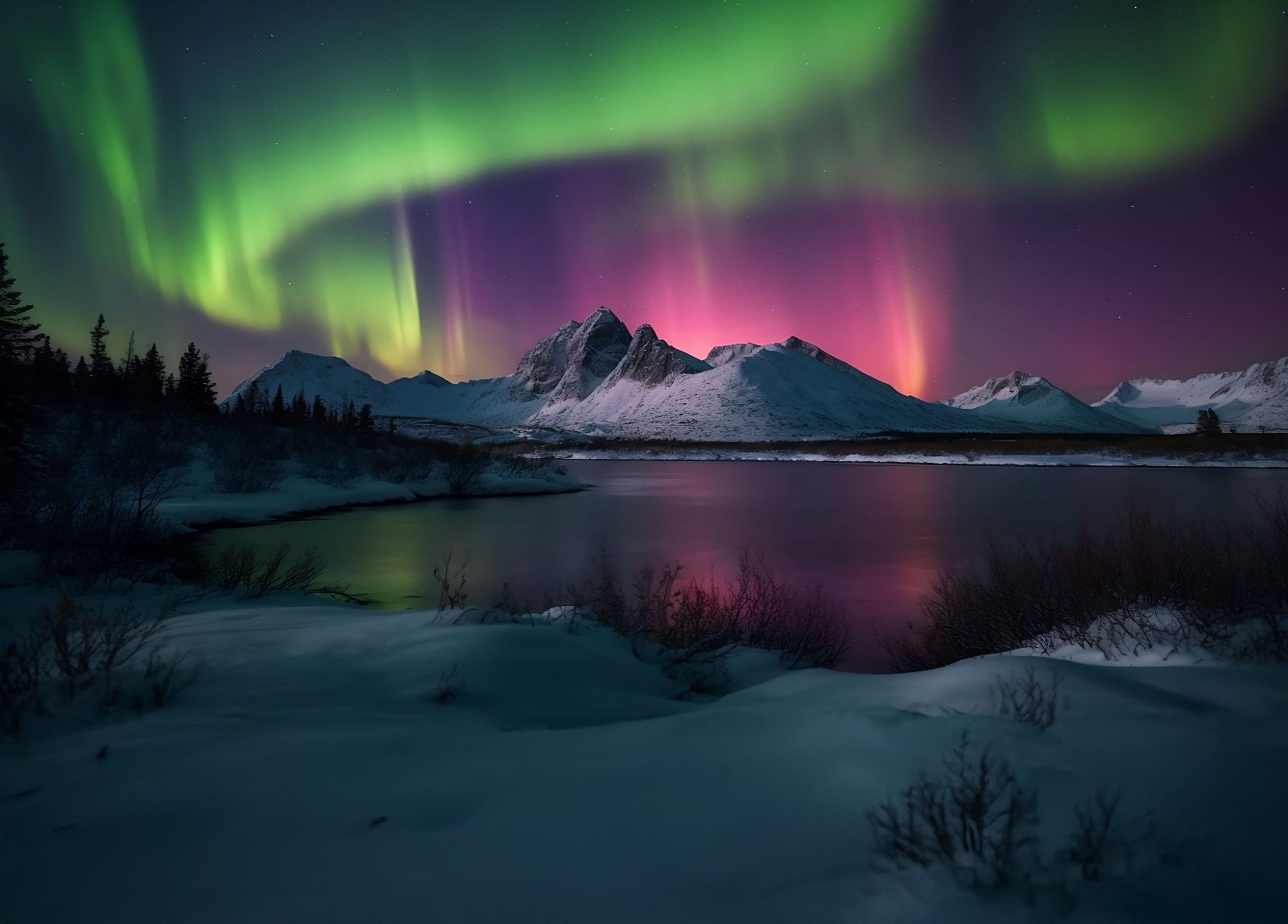
The aurora's palette shifts with altitude and atmospheric composition. Green arcs at 100 to 250 kilometers stem from oxygen excitation; rarer red fringes appear above 250 kilometers when oxygen density thins. Purple and blue edges signal ionized nitrogen at lower altitudes, often during geomagnetic storms rated Kp 5 or higher. Photographers working in RAW capture these spectral layers with exposures between two and fifteen seconds, balancing shutter speed against the auroral curtain's velocity. A static arc may hold for twenty minutes; a substorm breakup can flood the sky in under sixty seconds, requiring shooters to abandon composition and fire in rapid sequence.
Fairbanks aurora photography tours run year-round, though the winter solstice period offers sixteen-hour nights and the highest probability of multi-night displays. Spring equinox storms, driven by the Russell-McPherron effect, produce the season's most violent substorms but arrive with marginal twilight. Operators pair aurora chases with supplementary instruction in night landscape technique, Milky Way framing, and light painting, ensuring that shooters leave with a portfolio even when solar wind stalls. The result is a technical field course disguised as a tour, where the subject moves faster than the shutter and the classroom has no walls.

A substorm breakup can flood the sky in under sixty seconds, requiring shooters to abandon composition and fire in rapid sequence.
Wear multiple thermal layers including a windproof outer shell, insulated boots, and heavy gloves. Temperatures during a fairbanks northern lights photography tour drop significantly at night.
Limit personal gear to a single camera backpack to ensure space in transport vehicles. All equipment remains under your supervision throughout the night.
Tripods are essential for a fairbanks northern lights photography tour to capture long exposures of the subarctic sky. Guides assist with manual camera settings.
Children should be accustomed to cold weather and late hours. Participation in a fairbanks northern lights photography tour requires the ability to remain quiet in the dark.
Most viewing locations involve uneven, snow-covered, or icy terrain. Please notify the operator of mobility limitations before booking your fairbanks northern lights photography tour.
Complimentary hot beverages and light snacks are provided during most sessions. Carry extra hydration to stay comfortable while waiting for solar activity.
Opening hours
00:00–23:59
Address
Fairbanks, Alaska
Physical access
Variable based on remote field locations
Best arrival window
20:00–23:00
Storage
Not available on transport vehicles
Navigation
Guides provide transit to aurora sites
Car · N/A · N/A
Rental vehicles are recommended for flexibility, though guides provide transport for most tours.
Taxi · Varies · Moderate
Ride-share services operate within Fairbanks city limits but do not reach remote wilderness sites.
Full refunds are typically available for cancellations made at least 48 hours in advance. No entrance fee of 0 USD is charged for the tour itself, though service fees apply.
Recommended time
4-8 hours
A typical fairbanks northern lights photography tour provides enthusiasts with essential night sky instruction and access to remote viewing vistas. Guests should allocate at least four hours to account for transit to dark-sky locations, while deep-field photography sessions may extend through the early morning. Booking fairbanks northern lights photography tour tours in advance ensures priority access to optimal vantage points, though travel times fluctuate based on solar activity and weather conditions. Evaluating fairbanks northern lights photography tour tickets requires balancing your technical needs with the desired duration of your night out.
Crowd levels through the day
Weather · crowds · average price — dots go green to amber to red as each metric rises.
The start of the season features mild temperatures and autumn colors before heavy snowfall.
Darkness hours increase, improving visibility for your fairbanks northern lights photography tour.
Peak winter brings extreme cold, requiring specialized gear for extended night shoots.
Solar activity often increases around the equinox, providing a strong finish to the season.
Review KP-index data 24 hours before your fairbanks northern lights photography tour for activity expectations.
Practice setting your lens to infinity focus at home to avoid fumbling in the dark.
Store spare batteries inside your jacket to prevent cold-induced power drainage during your fairbanks northern lights photography tour.
Use toe warmers inside insulated boots for better comfort during long standing sessions.
Avoid using white light flashlights; use red-light headlamps to preserve night vision for all tour guests.
Turn off camera beep sounds to maintain the quiet atmosphere of the wilderness.
Fairbanks emerged as the premier destination for aurora observation in 1903, the year Felix Pedro discovered gold along the Tanana River and prospectors flooded into the subarctic basin. The city's position beneath the auroral oval—a ring-shaped zone where geomagnetic activity concentrates between 65 and 72 degrees north latitude—was documented by Norwegian physicist Kristian Birkeland during his early 20th-century expeditions, though commercial exploitation of that advantage waited decades. Military operations during the Second World War brought the first systematic night-sky documentation: Air Force personnel at Ladd Field recorded auroral interference with radio communications and inadvertently created a visual archive that scientists at the University of Alaska Fairbanks Geophysical Institute would later use to model solar-wind interactions. The Geophysical Institute opened in 1946 and anchored Fairbanks as a research hub for magnetospheric physics. By the 1970s, the Trans-Alaska Pipeline construction boom coincided with the first dedicated fairbanks northern lights photography tour offerings—guides equipped visitors with film cameras and drove them to elevated clearings north of the city. The 1989 solar maximum brought unprecedented auroral displays and international media attention, spurring investment in heated observation cabins and radio-linked convoy systems that allowed guides to chase active zones across the Steese and Elliott highways. Digital sensors replaced film by the early 2000s, and fairbanks northern lights photography tours adapted by offering DSLR instruction, tripod setups, and long-exposure techniques that required stationary positions rather than mobile viewing. Today's operations reflect advances in space-weather forecasting: guides monitor real-time Kp-index data from NOAA and adjust departure windows to match geomagnetic storm arrivals. The proliferation of mirrorless cameras and computational photography has shifted instruction toward sensor calibration and interval shooting. Winter tours now guarantee multiple nights to offset cloudy periods, a practice formalized after the 2012–2013 season when persistent overcast left single-night visitors disappointed and operators faced reputational damage on review platforms.
Felix Pedro's gold strike establishes Fairbanks directly beneath the auroral oval at 64.8° north latitude.
University of Alaska Fairbanks Geophysical Institute opens, anchoring magnetospheric and ionospheric research.
First commercial aurora tours launch during Trans-Alaska Pipeline construction, using film cameras and convoy systems.
Solar maximum generates record auroral activity, drawing international photographers and spurring infrastructure investment.
Digital sensors replace film; fairbanks northern lights photography tour tickets now include DSLR training and tripod protocols.
Persistent winter overcast prompts operators to adopt multi-night guarantee models and real-time Kp-index monitoring.
Position your tripod on the north-facing pullouts to capture the dancing curtains of light above the horizon; this is a popular site for a fairbanks northern lights photography tour.
This high-elevation point offers a panoramic 360-degree view of the night sky, ideal for wide-angle compositions featuring the Borealis.
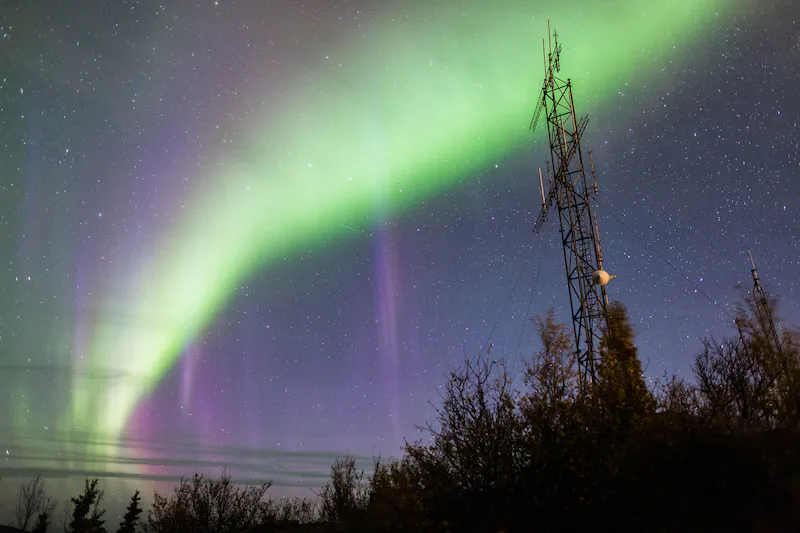
Locate the clearings near the summit communications towers to frame the celestial activity against the silhouette of the Alaskan wilderness.
Utilize the open trails and frozen fields to achieve a low-horizon composition with minimal light pollution for your aurora borealis viewing experience.
Seek out the shoreline perspectives where you can capture long-exposure reflections of the shimmering geomagnetic displays.
Embarking on a fairbanks northern lights photography tour requires careful planning to ensure children remain comfortable during late-night excursions. Balancing professional instruction with the needs of younger travelers is essential for a successful night under the arctic sky.
Due to the rugged nature of prime viewing locations around Fairbanks, Alaska, strollers are generally impractical; consider utilizing a child carrier instead for better mobility.
These expeditions are best suited for older children and teens who can remain patient during long wait times, as the optimal arrival window is 20:00–23:00.
Since services are located in remote wilderness areas to maximize visibility of the aurora borealis, permanent restrooms are rarely available; please plan accordingly before departing.
Because a fairbanks northern lights photography tour tour often lasts several hours, prioritize your child's sleep schedule and be prepared for frequent stops.
When securing fairbanks northern lights photography tour tickets, verify if the operator provides a heated base or vehicle, as this is vital for keeping families warm between photo sessions.
Turn the wait into a learning opportunity by discussing night sky science, which adds value beyond just waiting for the fairbanks northern lights photography tour tours to begin.
Dining options near a fairbanks northern lights photography tour range from rustic, on-site wilderness lodges serving warm Alaskan comfort food to diverse downtown eateries that provide a reliable pre-excursion meal. As many local spots close their kitchens before the optimal 20:00–23:00 arrival window for aurora hunting, securing a reservation or eating early is highly recommended.
Located at Borealis Basecamp, this yurt-based venue offers elevated Alaskan multi-course dinners perfectly timed for guests on a fairbanks northern lights photography tour tour.;The Pump House Restaurant & Saloon
Everything you need to know for your journey
Operators of a fairbanks northern lights photography tour generally follow the 00:00–23:59 schedule to accommodate night movements.
Most sessions require 4 to 6 hours including transit and field time for a complete fairbanks northern lights photography tour experience.
Yes, booking fairbanks northern lights photography tour tickets early is recommended due to limited transport space.
Yes, many fairbanks northern lights photography tour providers offer technical instruction tailored to amateur photographers.
Bring a sturdy tripod, extra batteries, and thermal clothing to your fairbanks northern lights photography tour.
The entrance fee is 0 USD, though you must pay for the specialized professional tour services.
Yes, children are welcome on a fairbanks northern lights photography tour provided they can manage the cold and late hours.
Transportation to the fairbanks northern lights photography tour site is usually included in your booking from a central landmark.
Smartphones struggle with aurora sensitivity; a manual camera is preferred for a fairbanks northern lights photography tour.
The best arrival window for any fairbanks northern lights photography tour is 20:00–23:00.
Exhibits showcase the natural history and subarctic culture of Interior Alaska.
This vast wilderness offers trails and prime locations for viewing the night sky.
Displays of intricate ice carvings celebrate the local winter climate.
The facility features galleries dedicated to Alaska geology and aurora borealis research.
Modern hotel located near the Chena River.
Central historic landmark with convenient guest amenities.
Specialized lodges designed specifically for overnight sky viewing.
Basic lodging options for cost-conscious travelers.
High-end accommodations featuring river views and easy access.
Join thousands of happy travelers who have discovered this incredible experience
Book Your Experience Now